


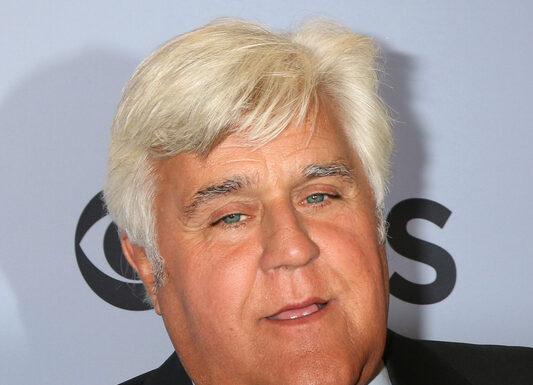
Former “Tonight Show” host Jay Leno has spoken out against what he sees as a growing political bias in late-night comedy, just as CBS confirmed it will end “The Late Show with Stephen Colbert” in 2026.
Leno, who led NBC’s flagship show for over two decades, criticized modern hosts for alienating half of their potential audience by focusing too heavily on partisan humor. His comments, made during a recent appearance at the Ronald Reagan Presidential Foundation, have gained renewed relevance in light of Colbert’s impending exit.
Leno said that during his own tenure, he strove to avoid political partisanship, emphasizing humor that could appeal to a broad audience regardless of political affiliation. “Why shoot for just half an audience all the time?” he asked. “I don’t understand why you would alienate one particular group … just do what’s funny.” He added that he used to get complaints from both sides of the political aisle and considered that a sign he was doing something right.
While Leno did not single out Colbert by name, the timing of his remarks has drawn scrutiny given CBS’s recent decision to end Colbert’s show after the comedian’s contract expires in May 2026. According to reports, CBS executives cited high production costs—estimated at around $40 million a year—and shifting viewer habits as the reason for the move. Though Colbert has consistently led his time slot in ratings for nine seasons, his show reportedly failed to deliver the kind of profitability networks once expected from late-night giants.
Colbert’s outspoken political commentary, particularly his criticism of Donald Trump and conservative policies, has also been a defining characteristic of his version of “The Late Show.” Just days before CBS announced the show’s cancellation, Colbert drew headlines by mocking a $16 million settlement paid by CBS and its parent company Paramount to Trump over a disputed “60 Minutes” segment. During the broadcast, Colbert referred to the payment as a “big fat bribe,” which prompted criticism from CBS insiders who felt the host had crossed a line.
Leno’s critique of the current state of late-night TV now appears to echo broader industry concerns that shows which lean too far into political territory risk alienating viewers and advertisers alike. While political satire has long been part of late-night’s DNA, particularly since Jon Stewart’s days at “The Daily Show,” Leno’s argument is that a relentless focus on partisan targets limits a comedian’s reach.
The cancellation of Colbert’s show is part of a wider trend across network television. As streaming platforms continue to dominate and advertisers shift spending elsewhere, networks are trimming costs and reconsidering the future of the late-night format. CBS has not announced a replacement for Colbert, and some industry analysts suggest the network may abandon the time slot altogether.
Whether or not CBS’s decision was influenced by Colbert’s political stance remains unclear. Officially, the network maintains that the cancellation was based on economics, not editorial content. But the overlap between Colbert’s provocative comments and Leno’s warnings about political overreach in comedy has fueled speculation about deeper motivations.
Leno’s call for a return to broad-based humor now resonates more strongly in a media landscape increasingly divided by ideology. His message is simple: comedians should aim to make everyone laugh—not just half the room.