


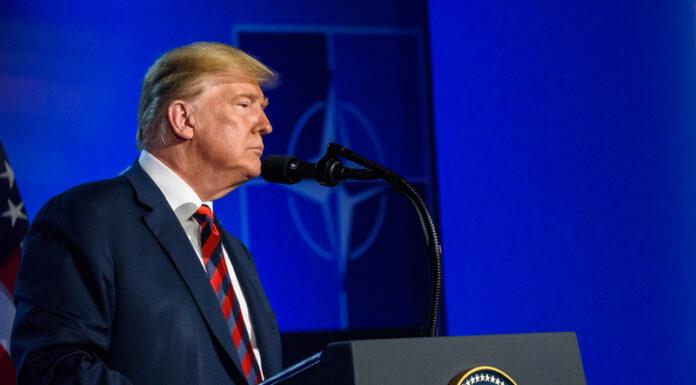
President Donald Trump, 79, confirmed he underwent an MRI scan in October 2025, at Walter Reed National Military Medical Center, describing the results as “perfect” but refusing to explain what prompted the test. The lack of transparency has sparked sharp criticism from a prominent cardiologist who says Americans deserve answers about their president’s health.
Dr. Jonathan Reiner, who served as Vice President Dick Cheney’s cardiologist and now teaches at George Washington University in Washington, D.C., told CNN that MRI scans are never routine. He said they’re typically prompted by symptoms such as neurologic issues, back pain, or heart problems. Reiner believes the White House owes Americans a full explanation about why Trump had the test, which doctors he consulted, and what the results showed.
Trump revealed the MRI while talking to reporters aboard Air Force One on Monday, October 27. When asked what prompted the scan, he told them to ask his doctors. He insisted he had shared the full results and that everything looked good. Trump claimed he would tell the press if he ever received bad news about his health.
The visit to Walter Reed marked Trump’s second medical exam of the year, which is unusual since presidents typically receive one annual checkup. The last official health report was presented in a single-page memo following his October 10 visit. The memo stated that Trump was in excellent health and had undergone advanced imaging, laboratory testing, and preventive health checks.
White House Press Secretary Karoline Leavitt, 28, brushed off questions about what “advanced imaging” meant, calling it part of a routine health check. However, Reiner strongly disagreed with that description, stating that an MRI is never part of a routine evaluation, whether for the president or a regular civilian. Dr. Vin Gupta, a public health physician and MSNBC contributor, backed up Reiner’s point, writing on social media that even the leader of the free world doesn’t get an MRI without a clear reason.
MRI technology utilizes magnetic fields and radio waves to generate detailed images of organs and tissues within the body. Unlike X-rays and CT scans, MRIs don’t use radiation, making them safer for repeated use. Doctors commonly order MRI scans to detect diseases, confirm diagnoses, and monitor treatment for various conditions.
Trump has shown several visible health issues this year. Photos have captured bruising on his hands, especially his right hand, along with swollen ankles at public events. These signs have raised questions beyond the limited information the White House has provided.
In July, the White House announced that Trump has chronic venous insufficiency, a circulation problem where leg veins struggle to push blood back to the heart. The condition is common in older adults and can cause swelling, cramping, and varicose veins. Trump’s doctor, Dr. Sean Barbabella, said the bruising on Trump’s hands comes from frequent handshaking and his regular aspirin use, which can make bruising worse.
However, Reiner suggested the bruising might point to something more significant. He noted that hand bruising in 79-year-old patients often results from medications that thin the blood. People take blood thinners for various reasons, including a heart rhythm problem called atrial fibrillation, blood clots in the lungs, or blood clots in the legs. Reiner said people who take blood thinners for atrial fibrillation usually stay on them permanently, and bruising is a common side effect.
Reiner questioned why Trump would have an MRI, which could be related to the medication he is taking or underlying undisclosed medical problems. He emphasized that it’s just as important why Trump had the test as what the test showed.
Dr. Barbabella said the evaluation helped prepare Trump for upcoming overseas trips and included comprehensive testing. Trump’s April 2025 physical found his heart, lungs, eyes, hearing, and abdominal exam results normal, though his blood pressure was slightly high and he remained overweight.
The White House has not shared how Trump’s chronic venous insufficiency is being treated. Officials also haven’t said whether Trump takes blood thinners or other medications that might explain the hand bruising. The lack of detailed medical information has led doctors to call for more openness about the president’s health.