


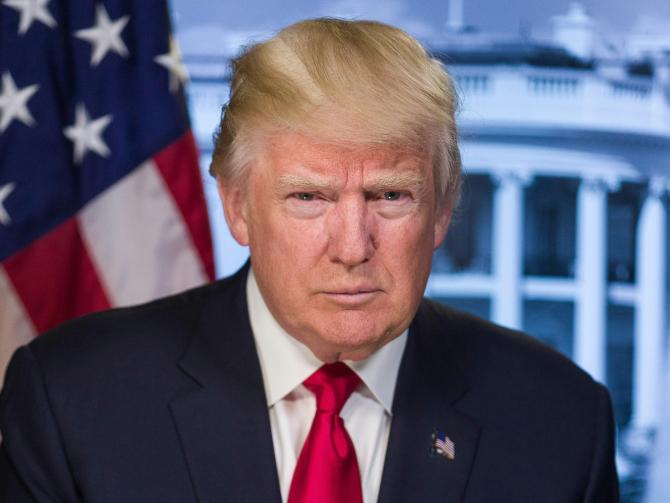
A series of dismissive comments from President Donald Trump about the economic pressures facing American families could define the 2026 midterm elections, with political strategists warning that his refusal to acknowledge affordability struggles has created a messaging disaster for Republicans heading into November.
Trump’s pattern of downplaying cost-of-living concerns stretches back to November 2025, when he first began characterizing rising prices as a Democratic invention. Rather than moderating that message as economic conditions worsened, the president has escalated his rhetoric throughout 2026, telling audiences that prices are “not very high” even as consumers face sharp increases at gas stations and supermarkets.
Independent voters have turned sharply against Trump on economic issues, disapproving of his handling of affordability by a 5-to-1 margin, according to CNBC’s Q1 2026 All-America Economic Survey. Overall, 60 percent of respondents disapprove of the president’s economic stewardship — a devastating figure for someone who centered his campaign on promises of economic improvement.
The gap between Trump’s messaging and economic reality has widened dramatically. AAA data shows gas prices running 27 percent higher year-over-year, undercutting the president’s repeated assertions. In late April 2026, Trump branded the entire issue a “Democratic hoax” — language that immediately backfired with voters already struggling with elevated household expenses.
During a May 2, 2026, appearance at The Villages in Florida, Trump conceded that Democrats “may have one good talking point” on affordability — a remark he appeared to deliver as mockery, but which political observers say accidentally legitimized the opposition’s entire campaign strategy.
“He essentially validated the entire Democratic midterm message in one sentence,” said one Democratic strategist familiar with the party’s campaign planning. “They’re going to put that clip in ads from Maine to Arizona.”
Democrats have wasted no time weaponizing Trump’s words. The Democratic Congressional Campaign Committee has deployed geotargeted digital advertising across all 44 of its priority House districts, hammering Republicans over gas prices and positioning Trump’s dismissiveness as evidence of a party out of touch with working families.
Republican anxiety about the electoral environment is reflected in retirement numbers: 38 House GOP members have announced they will not seek reelection, compared to just 23 Democrats. Political veterans say such lopsided retirement patterns typically indicate that incumbents have privately concluded their party faces significant structural challenges in the coming election.
Whether Trump’s remarks will translate into direct electoral consequences for him personally or instead damage down-ballot Republicans remains uncertain. But with grocery bills remaining stubbornly high, gas prices elevated, and the president on record calling widespread economic concerns a hoax, GOP candidates may discover that a comment their leader made casually has become an albatross they cannot shake before voters cast their ballots this fall.