


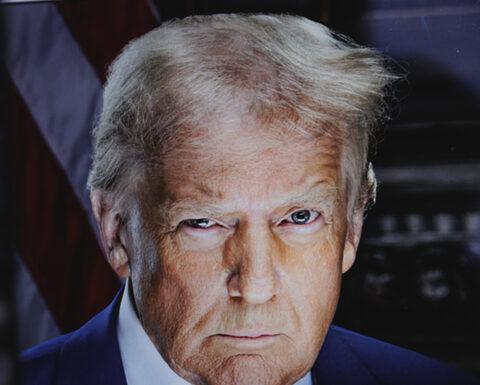
President Donald Trump reportedly unleashed his fury on Defense Secretary Pete Hegseth following Saturday’s military parade, which was intended to commemorate the Army’s 250th anniversary while doubling as Trump’s 79th birthday celebration on June 14. According to biographer Michael Wolff, the president was deeply dissatisfied with what he perceived as a lackluster display of military might.
Speaking on The Daily Beast Podcast, Wolff revealed that Trump had envisioned a menacing show of force but instead received what observers described as a festive parade. The president reportedly blamed the soldiers for their upbeat demeanor, accusing them of undermining the intimidating military image he sought to project.
Wolff indicated that Trump was particularly angered by the soldiers’ behavior during the parade, claiming they were waving, enjoying themselves, and displaying what he characterized as a convivial face rather than a stern military appearance. The president allegedly viewed this as the troops “hamming it up” during what was supposed to be a serious demonstration of American military power.
The biographer described how Trump directed his anger toward Hegseth through a heated phone conversation following the event. According to Wolff’s account, Trump questioned the parade’s execution and demanded explanations about who was responsible for staging the event. The president reportedly expressed his displeasure with the overall tone, repeatedly emphasizing that it failed to convey his desired message.
Social media observers noted that the soldiers appeared to be marching out of sync as they proceeded down Constitution Avenue in downtown Washington, D.C. The parade featured thousands of soldiers flanked by tanks, but the event struggled with sparse attendance, with empty bleachers visible along the parade route.
Wolff claimed that Trump had instructed his communications team to announce that 250,000 people attended the parade. However, the biographer suggested that people who actually attended the event estimated the crowd at approximately 40,000 individuals. The discrepancy between the official attendance figures and eyewitness accounts highlighted the gap between Trump’s expectations and the parade’s actual reception.
The military parade carried an estimated price tag of $45 million, according to critics who questioned the expense of the event. The parade coincided with nationwide “No Kings” demonstrations that drew millions of Americans protesting against Trump’s immigration policies, potentially overshadowing the military celebration.
The American Civil Liberties Union, which helped organize the counter-demonstrations, reported that over five million people participated in 2,100 rallies and protests across the country on the same day as Trump’s parade. This massive turnout for the opposition events contrasted sharply with the reportedly low attendance at the official military celebration.
White House Communications Director Steven Cheung responded aggressively to Wolff’s claims, dismissing the biographer as “a lying sack of s***” and accusing him of fabricating stories. Cheung suggested that Wolff’s accounts originated from his imagination and attributed the claims to what he termed “Trump Derangement Syndrome.”
Despite the reported behind-the-scenes tensions, Trump publicly maintained that the parade was successful. On Sunday, he told reporters that the event was a tremendous success with a fantastic audience. He particularly emphasized that weather forecasts had predicted a 100 percent chance of rain, but the event proceeded without precipitation.
Trump continued to reference the parade during his appearance at the G7 Summit, where he mentioned the weather conditions to Canadian Prime Minister Mark Carney. The president appeared to focus on the meteorological aspect of the event rather than addressing the various criticisms that emerged following the parade.
The military parade represented the fulfillment of a long-held ambition for Trump, who had previously expressed envy of France’s Bastille Day parade during his first presidential term. His attempts to stage similar military spectacles in the United States had been repeatedly frustrated by logistical concerns and cost considerations during his initial presidency.
Washington officials had previously expressed concerns about potential damage that heavy military vehicles might inflict on city streets, contributing to the delays in organizing such events. The eventual staging of the parade in 2025 represented Trump’s success in overcoming these earlier obstacles, though the results apparently fell short of his expectations.