


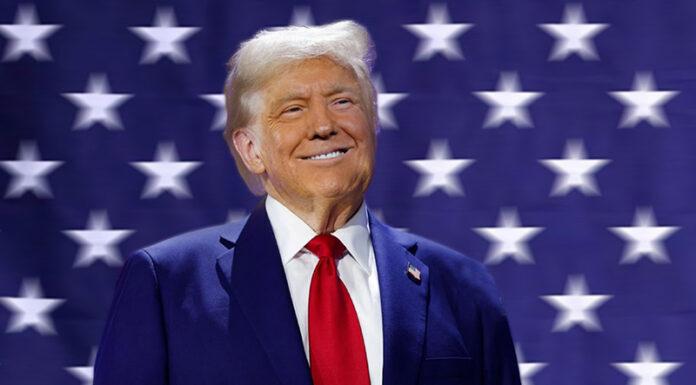
The White House released detailed results of President Donald Trump’s magnetic resonance imaging (MRI) scan on Monday, Dec. 1, 2025, revealing what his physician described as “perfectly normal” findings from preventative screening conducted in October. The 79-year-old president underwent MRI imaging of his heart and abdomen at Walter Reed National Military Medical Center as part of what the White House characterized as routine health maintenance for someone in his age group.
Dr. Sean Barbabella, physician to the president, released a comprehensive memo detailing the imaging results after weeks of mounting questions from reporters and political figures about the nature and purpose of the scans. The doctor explained that the advanced imaging was performed because men in Trump’s age group benefit from thorough evaluation of cardiovascular and abdominal health. Barbabella emphasized that the imaging serves a preventative purpose, helping to identify potential issues early before they develop into more serious conditions.
According to the physician’s statement, the cardiovascular imaging showed no evidence of arterial narrowing that could impair blood flow. The scan revealed Trump’s heart chambers are normal in size, with vessel walls appearing smooth and healthy. No signs of inflammation or clotting were detected during the examination. Barbabella characterized the president’s cardiovascular system as showing excellent health based on the comprehensive imaging results.
The abdominal imaging similarly revealed positive findings, with all major organs appearing healthy and well-perfused, meaning they maintain appropriate blood flow relative to their size. Everything evaluated was functioning within normal limits with no acute or chronic concerns identified, according to the doctor’s memo. Barbabella noted that this level of detailed assessment is standard for an executive physical at Trump’s age and confirms he remains in excellent overall health.
The disclosure came after Trump told reporters on Sunday, Nov. 30, 2025, aboard Air Force One that he had no objection to releasing the results. When pressed about which body part received the MRI scanning, the president admitted he had no idea what was scanned. “It was just an MRI — what part of the body? It wasn’t the brain, because I took a cognitive test and I aced it,” Trump said. He did confirm that the results were perfect and stated he would release them if people wanted to see them.
White House Press Secretary Karoline Leavitt read Barbabella’s memo during her daily press briefing on Monday, emphasizing the administration’s commitment to transparency. She noted that the president had promised to release the information the previous night and delivered on that commitment. Leavitt suggested the detailed medical information demonstrated significant transparency from the administration regarding the president’s health status.
The MRI results were conducted during a medical examination that multiple sources indicate occurred in October 2025. Trump first mentioned the imaging publicly on Oct. 27 during a conversation with reporters on Air Force One while en route to Japan, revealing he had undergone the procedure but providing few details at the time. He described the results as perfect but referred questions about specifics to his medical team.
The release of the imaging results follows earlier health disclosures from the White House regarding Trump’s medical conditions. In July 2025, the administration revealed Trump had been diagnosed with chronic venous insufficiency after he experienced swelling in his lower legs. The condition, which affects blood circulation in the veins, is relatively common in people over 70 and is generally considered benign. Treatment typically involves lifestyle modifications such as keeping legs elevated and using compression stockings to support proper blood flow.
Trump also had visible bruising on his right hand that drew media attention earlier in 2025. The White House explained the bruising was consistent with a combination of factors including his preventative aspirin regimen for heart health and the physical toll of shaking numerous hands during his daily activities as president. Medical experts note that aspirin, while beneficial for cardiovascular health, can increase susceptibility to bruising.
The timing of the disclosure came amid broader discussions about presidential health transparency and Trump’s stamina. Minnesota Governor Tim Walz had publicly urged Trump to release the MRI results, adding political pressure for the White House to provide detailed information. The 79-year-old president underwent his annual physical examination in April 2025, with the October visit to Walter Reed representing what officials described as follow-up care and routine health maintenance.
Presidential health examinations have evolved to include increasingly sophisticated diagnostic tools, particularly for older executives. Advanced imaging such as MRI scans can detect potential cardiovascular issues, organ abnormalities, and other health concerns before they produce noticeable symptoms. This preventative approach allows medical teams to address potential problems early and maintain optimal health for individuals in demanding leadership positions.
Barbabella emphasized in his statement that the imaging helps confirm Trump’s overall health and identifies any early issues before they become serious. The physician’s detailed memo provided specific information about the cardiovascular findings, noting the absence of arterial narrowing, proper heart chamber sizing, and healthy vessel walls. These factors collectively indicate a well-functioning cardiovascular system without the common age-related deterioration that can affect blood flow and organ function.