


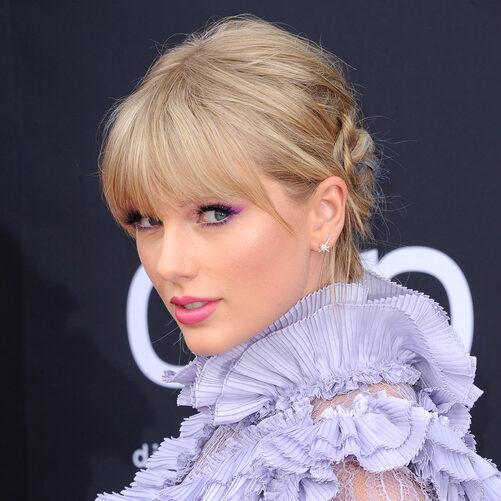
Taylor Swift faces a trademark infringement lawsuit that could force her to abandon the branding of her hit album “The Life of a Showgirl” and surrender millions in profits to a Las Vegas performer who claims the superstar stole her trademark.
Maren Wade filed the lawsuit on Monday in U.S. District Court for the Central District of California, alleging Swift deliberately copied her federally registered trademark “Confessions of a Showgirl” despite receiving explicit warnings from the U.S. Patent and Trademark Office. The lawsuit seeks an injunction to permanently bar Swift from using the album title, hand over all merchandise profits, and secure additional monetary damages through a jury trial.
Swift’s 12th studio album, “The Life of a Showgirl,” debuted in October 2025 with glitzy art deco imagery, glamorous feathered outfits, and burlesque aesthetics centered around Las Vegas cabaret culture. The album moved over 4 million album-equivalent units in its first week, becoming the fastest-selling album in U.S. history. The cover features Swift in cabaret garb with the album’s signature portofino orange color scheme.
Wade, who has appeared on “America’s Got Talent,” launched her column “Confessions of a Showgirl” in Las Vegas Weekly in 2014, chronicling her life as a singer, songwriter, comedian, and writer in the entertainment industry. She secured a federal trademark for the brand in 2015 and transformed it into a podcast and live cabaret show that toured nationally. The trademark eventually achieved “incontestable” status, the highest level of protection under federal law.
According to the lawsuit, Swift’s team attempted to register “The Life of a Showgirl” as a trademark, but the Patent and Trademark Office refused the application, specifically citing confusion with Wade’s existing mark. The office noted that both names share the key phrase “of a Showgirl” and are used in connection with entertainment involving musical and theatrical performances.
The complaint alleges Swift and her companies, including TAS Rights Management, UMG Recordings, and Bravado International Group Merchandising Services Inc., received actual notice their chosen designation violated an existing trademark but continued using it anyway. They expanded it across a coordinated commercial program and distributed it through retail channels reaching millions of consumers—all without ever contacting Wade.
Wade’s lawsuit describes the situation as “textbook reverse confusion,” where a major artist’s overwhelming commercial presence drowns out the original trademark holder until consumers assume the original is the imitation. “A solo performer who spent twelve years building a brand shouldn’t have to watch it disappear because someone bigger came along,” said Jaymie Parkkinen, Wade’s attorney.
The lawsuit points to bitter irony in Swift’s alleged infringement, noting that Swift and her team are among trademark law’s most vigorous enforcers. Swift holds one of the largest trademark portfolios in the industry, with more than 170 active or pending registrations spanning names, phrases, and commercial designations.
Before filing the lawsuit, Wade appeared to embrace Swift’s album, posting Instagram content with hashtags including #TS12 and #TheLifeofAShowgirl. However, Wade’s social media presence has gone silent since October.
The complaint emphasizes that both titles share the same structure, the same dominant phrase, and the same overall commercial impression—and are used in overlapping markets directed at the same consumers. The lawsuit argues that Swift’s commercial success does not depend on the continued use of any single designation, while Wade’s trademark represents her sole professional identity.
In addition to trademark infringement, Wade’s complaint accuses Swift and Universal Music Group of unfair competition and false designation, which prohibits goods from misrepresenting their origins to consumers.
“We have great respect for Swift’s talent and success, but trademark law exists to ensure that creators at all levels can protect what they’ve built,” Parkkinen said in a statement.
The lawsuit arrives as Swift released a new music video on Tuesday for “Elizabeth Taylor,” a track from the disputed album featuring archival footage of the Hollywood legend. Representatives for Swift and Universal Music Group declined to comment on the pending litigation.
Wade seeks to recover damages for what the lawsuit describes as irreparable harm to her business, reputation, and goodwill. The case now moves forward to determine whether one of music’s biggest stars will be forced to rebrand her blockbuster album and compensate the Las Vegas performer whose trademark she allegedly appropriated.