


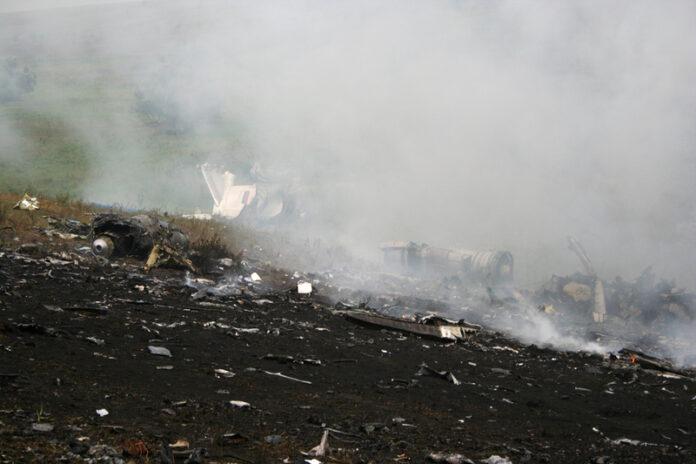
A devastating plane crash in South Sudan has claimed the lives of all 14 people on board, after a small passenger aircraft went down in hilly terrain just minutes from its destination amid poor visibility conditions. The Cessna 208B Grand Caravan, operated by CityLink Aviation Ltd., crashed approximately 20 kilometers (12 miles) southwest of the capital city of Juba on Monday, April 27, 2026, marking yet another tragedy in a country with a troubled aviation history.
The aircraft, registered as 5Y-NOK, had departed Yei Airport (HSYE) bound for Juba International Airport on what should have been a routine short-haul flight. Instead, the plane lost contact with air traffic control roughly 28 minutes into its journey, leaving emergency responders scrambling to locate the wreckage in difficult terrain.
A Routine Flight Cut Short
According to officials with the South Sudan Civil Aviation Authority (SSCAA), the ill-fated flight took off at 09:15 a.m. local time Monday morning. Just 28 minutes later, controllers lost all communication with the aircraft. A subsequent search effort revealed the worst possible outcome — the plane had crashed into a hill roughly 20 kilometers southwest of Juba, near the community of Luri.
“The aircraft departed Yei enroute to Juba International Airport at 09:15 a.m. [local time] and lost communication at 09:43 a.m.,” the SSCAA said in a statement. “Unfortunately, there were no survivors.”
The aircraft was carrying 13 passengers and one pilot at the time of the crash. Of the 14 victims, 12 were South Sudanese nationals and two were Kenyan nationals. Among the dead were two South Sudanese journalists and a KCB Bank branch manager based in Yei. The aircraft was completely destroyed and has been written off, according to aviation safety records.
Weather Suspected as Key Factor
Early indications point to adverse weather conditions as the likely cause of the catastrophe. Officials have specifically cited low visibility in the area at the time of the flight, conditions that can prove especially dangerous for smaller aircraft navigating the hilly landscape surrounding Juba. The Cessna 208B Grand Caravan is a single-engine turboprop widely used across Africa for short regional flights, particularly in regions where larger aircraft cannot operate.
The SSCAA dispatched a response team to the crash site to gather evidence, support recovery operations, and begin the painstaking work of determining exactly what brought the aircraft down. Investigators will likely examine weather data, communications records, and any recoverable components from the wreckage as they piece together the final moments of the flight.
“The Authority extends its deepest condolences to the families and relatives of those affected by this tragic incident. Further updates will be provided as more verified information becomes available,” the SSCAA stated in a press release.
A Pattern of Aviation Tragedies
This week’s disaster adds to a sobering tally for South Sudan’s aviation sector. In the decade following the nation’s independence in 2011, more than 55 plane crashes were recorded within its borders, resulting in dozens of fatalities. That staggering figure — which has only grown in recent years — has prompted sustained concern from international aviation observers about the state of air travel in the world’s youngest country.
Experts have repeatedly linked the country’s poor aviation safety record to a combination of factors, including the use of older aircraft, pilot error, frequent overloading of passenger and cargo flights, and weak regulatory compliance across the industry. South Sudan’s transport network remains severely underdeveloped, making air travel a necessity for many residents and humanitarian workers traversing the vast nation, where ground travel can be slow, dangerous, or simply impossible during certain seasons.
The reliance on aviation in regions with limited infrastructure, combined with challenging weather patterns and rugged terrain, creates a particularly hazardous operating environment. Many of the country’s airstrips lack modern navigation aids, instrument landing systems, or comprehensive weather monitoring equipment that pilots in more developed aviation markets take for granted.
Recovery Efforts and Next Steps
As of this week, recovery teams continue to work at the crash site near Luri, where the aircraft came to rest on a hill. The remote and elevated location has complicated efforts to retrieve victims and gather wreckage for analysis. South Sudan’s Ministry of Transport has ordered a thorough investigation and suspended CityLink Aviation’s operations pending the inquiry’s completion, though full conclusions about the cause are likely months away.
For the families of the 14 victims — both in South Sudan and Kenya — the focus now shifts to mourning and seeking answers. Kenyan officials are reportedly coordinating with their South Sudanese counterparts to ensure proper handling of repatriation matters for the two Kenyan citizens who perished in the crash.
The latest tragedy is sure to renew calls for stronger oversight of South Sudan’s aviation industry and increased investment in safety infrastructure. Whether such reforms will materialize remains an open question in a country still grappling with widespread economic and political challenges. For now, a grieving nation is left counting its losses once again — 14 lives cut short on what should have been a routine 30-minute flight home.