


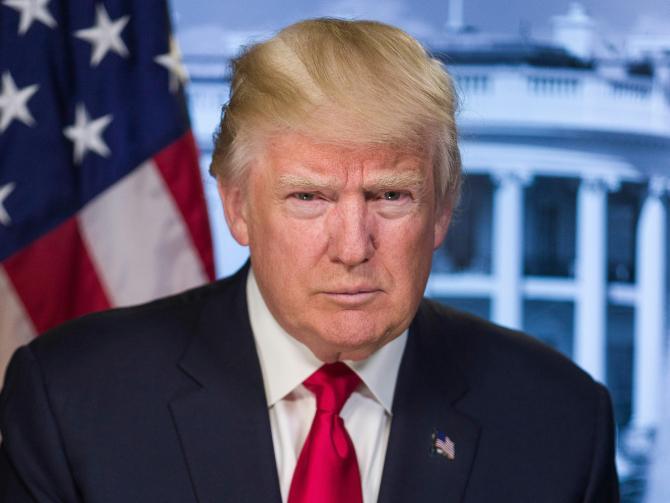
President Donald Trump’s ambitious plan to headline the first-ever Republican midterm convention this September is already backfiring, as an overwhelming majority of the party’s own candidates appear determined to keep their distance. Of the 28 Republican contenders contacted about attending the Dallas gathering, only two bothered to respond, a lopsided figure that lays bare the growing reluctance among vulnerable candidates to be seen standing next to the president.
The convention, envisioned as a triumphant showcase to rally the party and spotlight candidates ahead of a crucial election season, was dubbed "Trumpapalooza" by Republican National Committee (RNC) Chairman Joe Gruters. Republicans are working to defend their narrow congressional majority, and Trump is slated to be the featured speaker at the September event. However, many contenders in competitive districts face a dilemma about whether appearing alongside him could hurt their chances.
A Convention Nobody Wants to Attend
The tepid response comes at a precarious moment for the president. Trump is facing some of his weakest polling numbers in months, weighed down by his deeply unpopular war in Iran. The conflict has driven gas prices above $5 a gallon, deepening a cost-of-living crisis that voters are feeling at the pump and the checkout line alike.
As a result, some Republicans are quietly calculating whether hitching themselves to Trump and his convention could cost them with the undecided voters who often decide close statewide contests. That anxiety helps explain why so few candidates were willing to commit.
Former Arizona Sen. Jeff Flake argued that candidates in competitive statewide races have little reason to make the trip. He pointed specifically to Andy Biggs, the likely Republican gubernatorial nominee in Arizona, saying he could not imagine Biggs wanting to tie himself to the president right before early voting begins.
A Biggs campaign spokesperson declined to say whether the candidate would attend the September event, noting that the campaign’s focus remains on the July 21 primary and that they “haven’t made any post-primary travel plans yet.” According to one Republican donor who spoke anonymously about internal party discussions, candidates benefit from maintaining distance from Trump.
The Trump Show and Its Risks
Flake cautioned that attending the Dallas event would force candidates to abandon crucial campaign time in their districts while becoming linked to divisive topics. According to Flake, Trump would likely focus heavily on relitigating the 2020 election and promoting election conspiracies, messages that fall flat with Arizona voters. Candidates prefer discussing their policy priorities or criticizing Democratic opponents, Flake said, objectives that become impossible when campaigning alongside Trump in another state. He described the convention as a one-man show centered entirely on the president.
The tension surrounding Biggs is not new. Although he is running with Trump’s endorsement, the two clashed in 2023 when Biggs refused to back Kevin McCarthy for House Speaker. According to reports, Trump warned Biggs he would withdraw future support unless Biggs backed McCarthy. That episode underscores the complicated, transactional nature of the president’s relationships with even his own allies.
Party Officials Push Back
RNC officials reject the notion that keeping Trump at arm’s length is a smart strategy. One official said the party’s entire approach rests on the belief that the president remains a genuine electoral asset, particularly when it comes to turning out Republican voters. The official argued that Republicans are not fleeing from Trump the way some did in 2018, and that candidates are instead forging closer partnerships with the White House and its political operation.
The same official added a pointed caveat: even candidates who ultimately skip the convention may still find themselves needing Trump’s help to fire up the party’s base. It is a reminder that avoiding the president in public does not necessarily mean avoiding him altogether.
Trump’s grip on Republican primaries does appear to remain firm. A Newsweek tally found he had backed 14 primary winners and suffered just one loss as of early July, a record that lends weight to the RNC’s confidence in his pull with the base.
Yet there is a striking wrinkle to the whole affair. According to sources close to the president, Trump has indicated in private conversations with staff that November’s electoral results are not his primary concern, a revelation that contrasts sharply with a convention designed to energize Republican voters. If the headliner is indifferent to the result, it is little wonder his candidates are hesitant to buy tickets.