


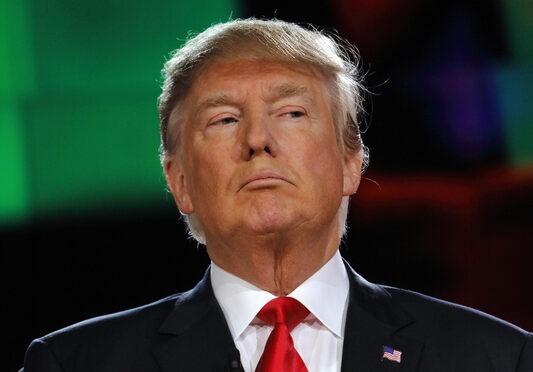
Donald Trump holds the record for Time magazine covers, and the newest one arrives with an “I Voted” sticker over his mouth.
Time unveiled the cover of its Nov. 23, 2026 issue on X on Wednesday morning, Nov. 4 — a black-and-white portrait of President Donald Trump, the sticker pasted across his lips in red, white and blue. It went out a day after the Nov. 3 midterm elections, in which Democrats seized control of both the House and the Senate. The magazine has put Trump on its cover more than any other person in its 103 years.
The cover story is headlined “Inside the Democrats’ Plans to Take On Trump,” and it is no gentler than the photograph. Trump spent the final days of the campaign “musing about candidates’ anatomy” and dismissing voters’ financial worries, write reporters Nik Popli and Julia Terruso. The source image is a photograph by AFP photographer Jim Watson; Time credited the cover as a photo illustration built on it.
Democrats Can Now Compel Testimony
Popli and Terruso built the piece from interviews with more than two dozen Democratic leaders, strategists and members of Congress in the days before the vote. The agenda that emerged: roll back Trump’s sweeping tariffs, restore the expired Affordable Care Act subsidies, reverse $1 trillion in Medicaid cuts, and move proposals to bring down housing and health care costs. The war in Iran is on the list too.
Majorities in both chambers change what the party can actually do. Democrats will set the legislative agenda, compel testimony from administration officials, investigate allegations of corruption, force Republicans into uncomfortable votes and block new Cabinet nominees or federal judges. They are also preparing aggressive investigations into the administration and the president’s business interests.
Rep. Robert Garcia of California, who is in line to chair the powerful House Oversight Committee, posted two words on social media as returns came in: “LAWYER UP.”
Jeffries Walked Out to Biggie
As of Wednesday morning, Nov. 4, Democrats had flipped at least 29 House seats, including swing districts in Pennsylvania, Colorado and Virginia. Senate victories came in deep red states — Texas, South Carolina, Kansas and Iowa — delivering the upper chamber. The wins came in states Trump carried in the 2024 presidential election.
House Minority Leader Hakeem Jeffries took the stage at an election-night celebration just south of the U.S. Capitol well before midnight, emerging to “Unbelievable” by the Notorious B.I.G. while the crowd chanted for Speaker Jeffries. The Brooklyn Democrat is likely to become the first Black speaker of the House. A few blocks away, Senate Democratic Leader Chuck Schumer marked his own victory with campaign staff.
The cover story draws a line back to 2018, when Democrats took the House during Trump’s first term. The two years that followed brought a lengthy government shutdown and two impeachments. Rep. Ted Lieu of California, vice chair of the House Democratic Caucus, told the magazine the current moment feels like that election intensified.
Much of what Democrats want will never reach Trump’s desk, and the president has already embraced a moniker for the next two years: “Mr. Veto.” Party leaders are betting the fight itself is the point, hoping to turn public discontent into a sustained argument for putting a Democrat back in the White House in 2028. Some officials are already sketching a broader economic agenda for that campaign.
Blame the Tariffs, Not Iran
Time is not the only publication to turn on the president this week. The New York Post, once Trump’s favorite paper, ran a “BLUE TSUNAMI” front page showing him engulfed by a wave.
In Israel, where many read the results through the lens of the war with Iran, historian Yigal Librant argues that the blue wave was made at home. Librant, a historian of social-political ideas and former editor-in-chief of the Shalem Academic Centre Press, wrote that foreign policy is at best a partial explanation, and a distracting one. He puts Trump’s economic policy at the top of the list.
The tariff war is his central example. Trump imposed tariffs, changed them, canceled them and revised them again, Librant wrote, creating uncertainty for companies and entrepreneurs in the United States and abroad, damaging long-term planning and squeezing consumers at a moment when the cost of living dominates voters’ thinking. Fuel prices, immigration policy and the conduct of Immigration and Customs Enforcement belong in the same picture, he argued, along with the confrontation with Canada and strained relations with European allies.
Then there is the gap between what the president promised and what he delivered. Librant pointed to one pledge in particular: that Trump would reach a peace agreement with Russian President Vladimir Putin within hours of returning to the White House. It never happened.