


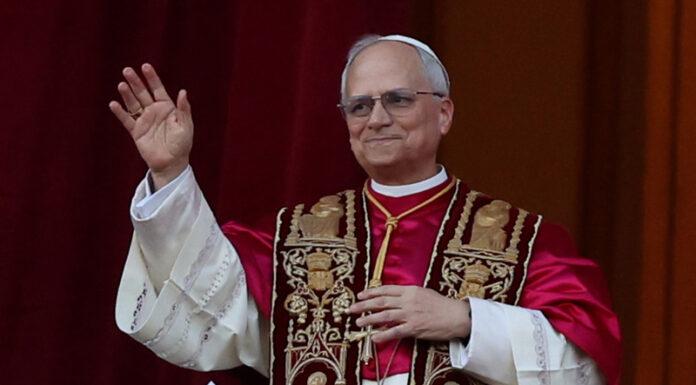
Pope Leo XIV sharply criticized the Trump administration on December 9, 2025, insisting that Europe must have a central role in any Ukraine peace deal and condemning what he described as efforts to “break apart” the long-standing alliance between the United States and Europe.
The pontiff spoke to reporters after meeting with Ukrainian President Volodymyr Zelenskyy at Castel Gandolfo, Italy. Pope Leo XIV said they discussed the need for a ceasefire and the Vatican’s efforts to facilitate the return of Ukrainian children taken by Russian authorities.
Zelenskyy is currently on a tour to rally European support for Ukraine as peace negotiations continue. The Ukrainian president has outlined a framework involving three documents: a framework document containing 20 points, a second document with security guarantees, and a third document focused on Ukraine’s recovery.
When asked about the United States peace proposal and concerns that European powers were being sidelined in the process, Pope Leo XIV delivered a forceful response. “Seeking a peace agreement without including Europe in the talks is unrealistic, given the war is in Europe,” he said. He emphasized that security guarantees are being sought for both the present and future, making European participation essential.
The pope’s comments appeared to address broader questions about the Trump administration’s views on the transatlantic alliance. The Trump administration recently released a United States national security strategy that questions the U.S.-European alliance and stresses a desire to improve U.S.-Russia relations.
Pope Leo XIV said what he had read would “make a huge change in what was for many, many years a true alliance between Europe and the United States.” He added that some comments by Donald Trump suggest an effort “trying to break apart what I think needs to be an alliance today and in the future.”
While acknowledging that some people in the United States may agree with that effort, the pope said he believes many others would see things differently. He stressed that there is a great opportunity for European leaders to unite and seek a solution together.
The Holy See has attempted to remain neutral in the war while offering solidarity and concrete assistance to what it calls the “martyred” people of Ukraine. This marks the third time Pope Leo XIV has met with Zelenskyy, and the pontiff has spoken by telephone at least once with Russian President Vladimir Putin.
The pope has called for a ceasefire and urged Russia to make peace gestures. The Vatican has also tried to facilitate the return of Ukrainian children taken by Russian authorities. Last month, Pope Leo XIV met with some returned children at the Vatican.
The timing of the December 9 meeting and the pope’s comments underscores growing tensions over the direction of peace negotiations. Zelenskyy’s tour aims to secure continued European backing for Ukraine as questions mount about the Trump administration’s approach to resolving the conflict.
The peace agreement being discussed involves complex negotiations with both United States and European partners. The framework document reportedly contains 20 points. The security guarantees document would outline protections for Ukraine, while the recovery document would focus on Ukraine’s recovery.
Pope Leo XIV’s insistence on European involvement reflects broader concerns among European leaders about being excluded from crucial decisions affecting their continent’s security. Europe’s role remains contested as negotiations continue.
The pope’s criticism of the Trump administration represents an unusually direct intervention in geopolitical affairs by the Vatican. His comments signal deep concern about both the future of the transatlantic alliance and the peace process in Ukraine.
As diplomatic efforts continue, the question of European participation in peace negotiations remains unresolved. Pope Leo XIV’s call for unity among European leaders and his warning about breaking apart the U.S.-European alliance highlight the complex diplomatic challenges ahead.