


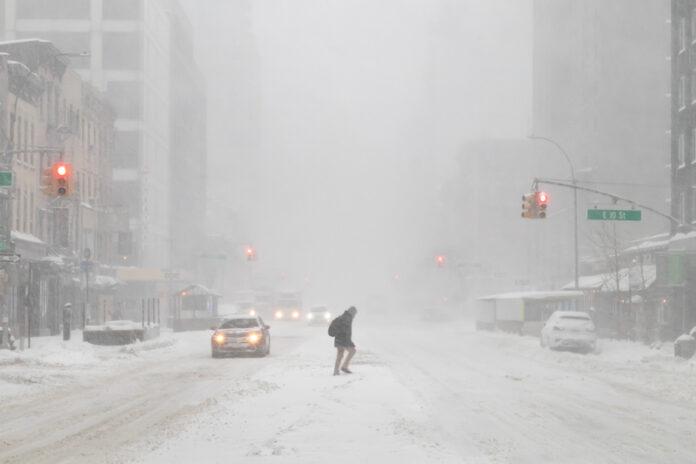
Multiple people were found dead outdoors in New York City during a 48-hour period as temperatures plunged into the teens and single digits, authorities said on Tuesday, January 27, 2026.
The deaths occurred across multiple boroughs, including Brooklyn, Manhattan, and Queens, as frigid conditions gripped the city following a winter storm that dumped 11.4 inches of snow in Central Park. The medical examiner has not yet determined the exact causes of death, but the discoveries happened during one of the coldest stretches the city has experienced in years.
Among those found dead were a 67-year-old man discovered on 3rd Avenue near East 35th Street in Manhattan, a 52-year-old man at 96th Street and 34th Avenue in North Corona, Queens, and a man in his 30s, along with a woman in her 60s, at separate locations in Brooklyn. Another individual was found at 185-46 Hilburn Ave in Jamaica, Queens.
Mayor Zohran Mamdani addressed the deaths during a briefing on Monday, January 26, emphasizing the ongoing danger despite the storm’s passage. “Just because the storm has passed doesn’t mean the danger to homeless New Yorkers has passed,” Mamdani said.
However, Mamdani noted that several of the victims had interactions with the city’s shelter system in the past. He added that it does not appear at this time that any of the victims were homeless, complicating the picture of who remains most vulnerable during extreme weather events.
The winter storm that preceded the deaths brought widespread disruption to the region, with over a foot of snow blanketing parts of the area. Nationwide, at least 21 deaths have been confirmed as related to the winter storm, with nine additional deaths still under investigation.
Code Blue conditions remain in effect across New York City, triggering enhanced outreach efforts and expanded shelter access. The city has opened 10 warming centers and 126 shelters to provide refuge for those in need. Officials said shelters have relaxed their intake policies during the emergency, and Mamdani stressed that no one is turned away from these shelters.
City officials are urging residents to call 311 if they see anyone struggling in the cold. Over the weekend, homeless outreach workers placed more than 170 unsheltered individuals into Department of Homeless Services sites. Additionally, three people were involuntarily transported to hospitals for mental health evaluations as clinicians worked to protect those unable to recognize the dangers posed by the extreme weather.
Department of Social Services Commissioner Molly Wasow Park explained that involuntary transport represents a solution of last resort when individuals are in medical danger. The city estimates that over 4,500 people are currently living on the streets, making them particularly vulnerable to life-threatening conditions when temperatures drop.
The extreme cold has persisted longer than a typical winter snap. Officials said this represents the coldest weather the city has experienced in eight years, with temperatures not expected to top the freezing mark until February 3. The prolonged exposure to such conditions increases the risk for anyone without adequate shelter, particularly those who may have underlying health conditions or limited mobility.
Dave Giffen of the Coalition for the Homeless highlighted the challenges facing outreach efforts during such extreme weather. The timing coincides with the city’s annual Hope Count, during which volunteers head into neighborhoods across all five boroughs to identify unsheltered individuals. Last year, the count documented over 4,500 people living on the streets when temperatures were 38 degrees. This year, with temperatures expected to be closer to 10 degrees, advocates anticipate the numbers may be skewed as people seek harder-to-find locations for warmth.
The current situation recalls the winter of 2017-2018, when the city experienced a blizzard and a record stretch of frigid days. During that period, four people died of exposure to cold, according to city reports. The comparison underscores how rare such sustained extreme weather has become in New York City, even as climate patterns continue to shift.
Outreach teams are expanding their efforts to connect people to shelters, warming centers, and medical care as the dangerous conditions persist. The city’s response involves coordination between multiple agencies, including the Department of Homeless Services, the Police Department, and the Department of Social Services, working together to identify and assist vulnerable individuals.
The winter storm itself brought significant challenges beyond the cold. The 11.4 inches of snow that fell created hazardous travel conditions throughout the area.
For New York City’s unsheltered population, the combination of heavy snow followed by sustained extreme cold creates compounded dangers. Snow can make it difficult to access usual sheltering spots, while the cold itself poses immediate threats of hypothermia and frostbite. Those with limited mobility or chronic health conditions face heightened risks, as do elderly individuals who may have reduced ability to regulate body temperature.
The city’s shelter system, while expanded during Code Blue conditions, continues to emphasize that policies have been relaxed and that resources are available without barriers.
As the investigation into the deaths continues, the medical examiner’s findings will be crucial in understanding the exact role weather played in each case. While cold exposure remains a suspected factor, other medical conditions or circumstances may have contributed to the fatalities. The outcomes will help inform the city’s emergency response protocols and may influence future decisions about outreach strategies during extreme weather.