


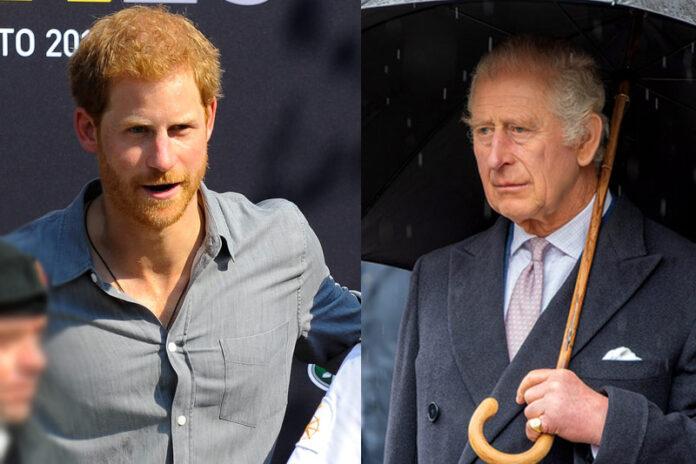
Veteran Daily Mail columnist Amanda Platell has delivered a scathing assessment of Prince Harry’s recent attempts to reconcile with King Charles, claiming the Duke of Sussex’s motives are transparent and troubling to anyone paying close attention to the royal drama.
In her latest column, Platell dissected what she views as Prince Harry’s calculated efforts to mend fences with his father, suggesting the 41-year-old prince’s plea stems from concerns far removed from genuine familial affection. The commentary arrives as tensions within the Royal Family continue to simmer following the arrest of Andrew Mountbatten-Windsor on suspicion of misconduct in public office and ongoing scrutiny of the Sussexes’ activities.
The seasoned royal observer has not held back in her criticism, drawing connections between Prince Harry’s behavior and what she perceives as a pattern of strategic positioning by both the Duke and Duchess of Sussex. Her analysis lands at a particularly sensitive moment for the monarchy, with King Charles, 77, preparing for a State Visit to the United States in late April to mark the 250th anniversary of American independence.
Platell’s commentary builds on her previous observations about the Sussexes’ public appearances, including her pointed questioning of Meghan Markle’s solo trip to Paris Fashion Week in October, 2025. The Duchess attended Balenciaga’s show, sparking controversy when a video emerged showing her driving near the Pont de l’Alma tunnel—the site where Princess Diana died in 1997.
The columnist admitted she “never thought she would feel sorry” for Prince Harry, yet found herself uncomfortable with some of his wife’s decisions, particularly those that appeared to invoke the memory of Princess Diana.
Prince Harry’s relationship with King Charles has remained strained since the Sussexes stepped back from royal duties in 2020. Father and son reunited for the first time in 19 months in September, 2025, when Harry visited Clarence House for tea during a London trip. Recent reports suggest the Duke feels frustrated at what he perceives as coordinated efforts by Palace officials to undermine his attempts at rapprochement.
King Charles performed 532 official engagements in 2025 while battling cancer, earning him the title of hardest-working royal and demonstrating his commitment to duty even as personal and family crises swirled around him. In comparison, Prince William completed 202 engagements during the same period, though his schedule was affected by Princess Catherine’s cancer treatment and recovery throughout 2024.
The King’s handling of the Prince Andrew crisis has drawn praise for its measured approach. When Andrew Mountbatten-Windsor was arrested on February 19, 2026—his 66th birthday—on suspicion of misconduct in public office, Charles expressed his “deepest concern” and stressed that “the law must take its course,” maintaining constitutional propriety while distancing the institution from his brother’s legal troubles.
Platell’s scrutiny of Prince Harry’s motives reflects broader questions about the Sussexes’ relationship with the monarchy and their public positioning. The couple has continued building their brand in the United States—Meghan launched her As Ever wine line in July, 2025, and both attended the World Mental Health Day Gala in New York City in October, where they received the Humanitarians of the Year Award for their Parents’ Network initiative.
The timing of Harry’s overtures to his father coincides with significant developments for the Royal Family. Princess Beatrice and Princess Eugenie will not attend the traditional Easter Sunday service at Windsor Castle this year—a decision made with King Charles’ agreement amid the ongoing fallout from their father’s arrest. Preparations continue for King Charles’ American visit, which President Trump has confirmed for April 27–30, 2026.
Royal commentators including Hugo Vickers have weighed in on various aspects of the royal family dynamics, though Platell’s analysis stands out for its directness about what she perceives as transparent calculation behind Harry’s recent actions.
The columnist’s perspective adds to ongoing debate about the future of the monarchy, particularly regarding Prince William’s readiness for eventual kingship. William has faced criticism for what some view as reluctance to fully embrace his future role, though supporters note the extraordinary circumstances his family has faced—including Catherine’s cancer diagnosis in March, 2024 and her subsequent treatment and recovery.
As the Royal Family navigates multiple crises simultaneously—from Andrew’s legal troubles to questions about succession planning—Platell’s commentary on Harry’s motivations highlights the complex web of personal relationships, public perception, and institutional survival that defines the modern British monarchy. Her assertion that seasoned observers can see through the Duke’s latest plea suggests the Sussexes’ attempts at reconciliation face skepticism beyond palace walls.
The coming months will test whether genuine reconciliation between Harry and his father remains possible, or whether, as Platell suggests, the Duke’s overtures serve purposes less noble than simple family healing. With President Trump hosting King Charles for the State Visit to Washington, the spotlight on royal family dynamics shows no signs of dimming.