


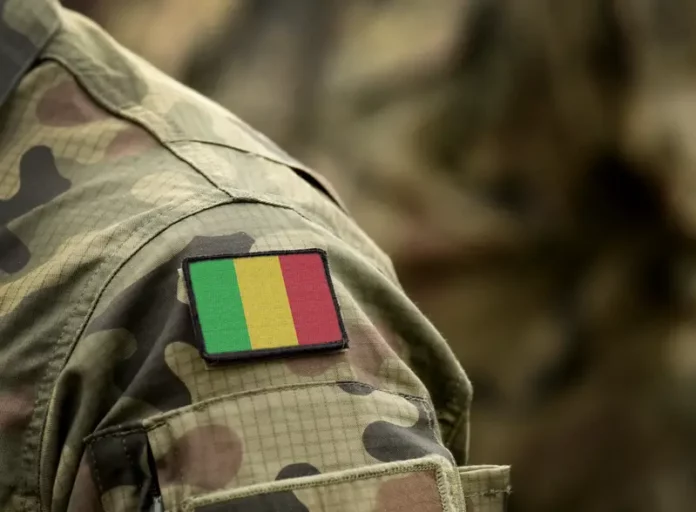
At least 10 civilians died Sunday when military drones struck a wedding procession in central Mali, turning what should have been a joyous celebration into a scene of devastation. The May 17, 2026, attack hit motorbikes carrying villagers to a traditional collective wedding in the Tene locality of the San region, local sources confirmed.
A resident speaking anonymously told AFP that “10 of our children were killed.” Families from across the area had been gathering for the second edition of a major communal event, he explained. A local official confirmed the death toll and described it as a time of mourning. Local officials say the toll in Tene may yet rise.
A security source said the strike hit “a procession of motorbikes following one another.” That movement, the source added, “is certainly what drew the attention of the drones.” Investigations into the incident are ongoing.
A Crisis Deepens
The deadly strike comes as Mali’s military government confronts the most severe security crisis it has faced in years. On April 25 and 26, al-Qaeda-linked Jama’at Nusrat al-Islam wal-Muslimin, or JNIM, joined forces with Tuareg separatists from the Azawad Liberation Front, or FLA, in a coordinated assault on strategic towns. The offensive killed Mali’s influential defense minister and stunned the ruling junta in Bamako.
The FLA and JNIM now control Kidal and other northern towns, and the two groups have imposed a blockade on the capital. Alex Vines, Africa director at the European Council on Foreign Relations, told Al Jazeera that Malian authorities appeared caught off guard by the latest wave of attacks. The alliance forged in April between JNIM and the FLA — two groups with very different ideologies — has rewritten the battlefield, combining the jihadists’ rural networks with the Tuareg separatists’ desert mobility.
Al Jazeera’s Nicolas Haque, reporting from Mali, said military sources described an “unprecedented level of panic” in the ranks, with fighters specifically targeting military compounds.
Mali has been mired in unrest since 2012. After military coups in 2020 and 2021, the junta expelled French troops and United Nations peacekeepers who had been deployed to contain the violence. In their place, Bamako turned to Africa Corps, a Russian government-controlled paramilitary that replaced the private Wagner Group.
That strategy is now under severe strain. Haque said witnesses reported Russian mercenaries fighting in Bamako, around the airport, where they maintain one of their headquarters. The image of foreign fighters defending the capital underscores how far the security situation has deteriorated since the junta promised a tougher line against the insurgents. Mali’s military government, propped up by Russian fighters and reeling from the coordinated rebel offensive, has increasingly leaned on aerial firepower as armed groups press in from the north and tighten their grip on the central regions.
An Echo of Past Tragedies
The strike in San is not the first time a Malian wedding has been turned into a mass casualty event, and the pattern has unnerved communities across the country’s troubled central belt. Mortar fire, ground assaults and aerial strikes have repeatedly hit gatherings of civilians as the military and jihadist groups battle for control of villages caught between them.
Sunday’s deaths come less than two weeks after another wave of bloodshed in central Mali. On May 7, al-Qaeda-affiliated fighters attacked the villages of Korikori and Gomossogou in the Mopti region, killing at least 30 people. The Mopti area has become one of the most dangerous corners of the Sahel, with armed groups operating with near impunity in the countryside.
For residents of San, those geopolitical shifts feel distant from the immediate horror of Sunday’s strike. The drones that killed their neighbors were Malian. The victims were villagers preparing for a wedding. And the investigation, like so many before it, will unfold in a country where state forces and armed groups increasingly operate without accountability.
Recent offensives have expanded armed group control across northern and central regions, and analysts see no clear path to de-escalation. As the conflict deepens, civilians continue to bear the heaviest cost — caught between drones overhead, jihadists in the countryside and a military government whose grip on the country grows more tenuous by the week.