


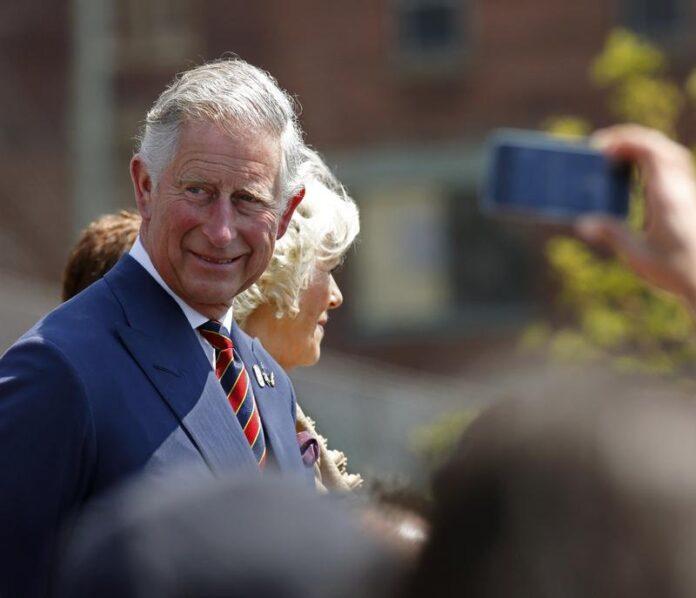
King Charles III confirmed in June 2026 that he and Queen Camilla will not relocate to Buckingham Palace once its lengthy renovations are complete, choosing instead to remain at Clarence House — the official residence they have occupied since 2003. The decision is the latest in a string of departures from centuries-old royal convention that have defined Charles’ reign since it began in 2022 following the death of his mother, Queen Elizabeth.
From the garments he wore at his coronation to the company he keeps at prayer, the king has demonstrated a consistent willingness to set aside protocols that, in some cases, stretch back as far as 500 years. Those who have studied him closely say the instinct runs deep. Royal biographer Robert Hardman, who wrote “The Making of a King: King Charles III and the Modern Monarchy,” told PEOPLE in January 2024 that the king had his own views on how to lead long before he ascended the throne. “He had his way of operating and he had his organizations and his charities, and there wasn’t a great rush to suddenly seize control,” Hardman said.
A Coronation Like No Other
When Charles was crowned in 2023, the ceremony drew on a framework set by the 14th-century Liber Regalis — a royal guidebook that prescribes, among other things, what a new monarch must wear. Charles declined to follow it entirely. Rather than the silk stockings and breeches worn by his predecessors, he appeared in his Royal Navy trousers. He also chose to reuse several garments originally made for a previous king’s coronation, citing sustainability and efficiency — language more at home in a corporate press release than a palace announcement.
The choices signaled something deliberate: a monarch intent on threading modern sensibilities through an ancient institution without unraveling its fabric entirely.
Opening the Doors at Balmoral
In April 2024, Charles took the unusual step of opening private rooms at Balmoral Castle, the royal family’s summer retreat in Scotland, to members of the public. Previously, visitors could access only the ballroom, the grounds and the gardens. The castle carries enormous weight in the family’s recent history — it was there that Queen Elizabeth died in 2022 — making the decision to part the curtain on its private spaces all the more striking.
The gesture fit a broader pattern of the king nudging royal properties toward greater transparency and public engagement, even when doing so means departing from what tradition has long kept private.
Breakfast, the Pope, and Protocol
Not every break with tradition arrives with ceremony. Food writer and author Tom Parker Bowles, Queen Camilla’s son who wrote the 2025 book “Cooking and the Crown,” said Charles and Camilla have replaced the elaborate five-course royal breakfasts with a simpler meal of dried fruit and honey, calling it “a thoroughly modern, and healthy, start to the day,” adding that he was not sure Queen Victoria would have approved.
Far graver in its historical implications was what unfolded during the king’s visit to Vatican City in October 2025, when Charles and Queen Camilla met with Pope Leo. The two men prayed together inside the Sistine Chapel — a moment that marked the first time a British monarch and a sitting pontiff had shared a church service since the 16th century. The historical weight behind that act is substantial: the rupture between the English crown and Rome dates to 1534, when King Henry VIII, denied an annulment from his first wife, Catherine of Aragon, broke from the Catholic Church and established the Church of England, appointing himself its Supreme Head. Nearly five centuries later, the current head of that same church bowed his head alongside the Bishop of Rome.
Gestures That Reshaped Protocols
Several of the king’s departures from protocol have been more personal in nature. During the Trooping the Colour in June 2024, Charles placed his daughter-in-law, Kate Middleton, the Princess of Wales, beside him on the Buckingham Palace balcony — a position typically occupied by the heir to the throne, Prince William. Both Charles and Kate had been undergoing cancer treatment that year, and the arrangement was widely read as a signal of solidarity. Former royal butler Grant Harrold told OK! Magazine at the time that the balcony lineup is carefully orchestrated: “I have a feeling the King said to Kate, ‘You stand next to me.'”
That closeness surfaced again in September 2025, when Kate kissed Charles on the cheek outside Westminster Cathedral following the funeral of the Duchess of Kent — a public display of affection that deviated from the more formal conduct typically expected at royal engagements. Charles has also drawn attention for embracing a fan during a visit to Bradford, an act that runs counter to long-standing protocols around physical contact with members of the public.
In late 2025, the king extended a significant privilege to William and Kate by appointing them as Grantors of Royal Warrants — a designation that for 116 years had been reserved exclusively for the monarch and their spouse. The warrants allow the holders to officially endorse businesses that supply goods or services to the royal household, and businesses so endorsed may display the royal warrant crest on their products.
Taken together, the decisions — spanning residence, ritual, religion and routine — sketch the outline of a monarch who arrived at the throne with a clear sense of how he intended to occupy it, and who has shown little hesitation in acting on that vision.