


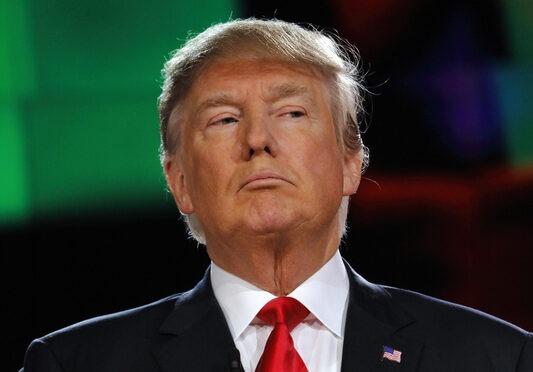
A massive wave of migration into a Spanish territory on the North African coast drew sharp commentary from President Donald Trump on Friday, who used the overseas turmoil to predict that America could face identical scenes if voters put Democrats back in office. Thousands of people crossed into Ceuta, prompting military intervention and emergency measures from Spanish authorities.
Speaking with Fox News senior White House correspondent Jacqui Heinrich on Friday morning, Trump connected the unfolding emergency directly to American electoral politics. “It’s terrible. Remember that picture. That’s going to be us in three years if the wrong side gets in,” Trump told Heinrich. He warned that Americans would lose their quality of life under a Democratic administration.
Military Deployed as Border Overwhelmed
Spanish Prime Minister Pedro Sánchez arrived in Ceuta on Friday to confront the emergency in person and condemned what he described as “a violation of Spain’s territorial integrity.” The prime minister accused human trafficking networks of orchestrating the surge, asserting that criminal smuggling operations had used online coordination to rapidly mobilize the crossings over just hours.
Spain’s military was ordered to establish a temporary facility for documenting and deporting those who entered during the surge. The armed forces deployment represented a dramatic step up from typical border management by police and the Civil Guard.
Rachid Sbihi, who leads an association representing Spain’s Civil Guard officers in Ceuta, described the scene as unmanageable chaos. Though exact numbers proved elusive, Sbihi confirmed that thousands had made the crossing. Video footage captured large groups, predominantly men, flooding the Tarajal border zone, with many swimming around coastal defenses to reach Spanish territory. Dozens have perished in the attempt, though no official death count has been confirmed as events continue to unfold.
Geographic Flashpoint With History
Ceuta stands as one of two Spanish enclaves touching Morocco, creating rare land access between Africa and a European Union nation. The territory’s location has repeatedly made it a friction point for irregular migration flows into Europe. In 2021, the same region witnessed more than 8,000 migrants entering Spain across just two days, sparking a significant diplomatic clash between Madrid and Rabat.
Sánchez pointed to that earlier episode as evidence of how rapidly border situations can spiral. What started as scattered arrivals had exploded into a coordinated mass movement within a single day, he said, necessitating the swift military deployment now underway.
Domestic Politics Meet Foreign Crisis
Trump seized on the imagery emerging from the enclave, framing it as a preview of American vulnerability should his political opponents regain control. Immigration has remained a cornerstone of his agenda since returning to the presidency, and he has consistently characterized border enforcement as a critical national priority.
Heinrich’s conversation with Trump circulated widely as attention focused on the Spanish emergency. The president’s language transformed a distant humanitarian and security crisis into a domestic political weapon, casting Ceuta’s disorder as a warning about future American elections.
Spanish officials on the ground continued efforts to contain the influx and address the humanitarian consequences. With arrivals ongoing and casualties still being tallied, authorities confronted dual pressures: securing the frontier while managing those already inside. The temporary processing center announced by Sánchez would serve as the sorting mechanism, though the duration of military involvement and the total number requiring documentation remained uncertain as Friday progressed.