


South African police have launched a manhunt for three gunmen who burst into a house party in the Ziko area of KwaMakhutha township, south of the coastal city of Durban, late on Tuesday, September 22, 2026, and opened fire on the guests, killing 11 people and wounding three.
Police and provincial officials set out the first details of the attack on Wednesday, September 23. Fourteen people — 13 men and one woman — were inside the small house when three armed men arrived shortly before 11 p.m. local time (21:00 GMT) and began shooting. Ten died at the scene. Four others were taken to a hospital, where one later died of their injuries. In a statement, KwaZulu-Natal Premier Thamsanqa Ntuli said the sole female victim had been expecting a child.
What Investigators Found at the House
The attackers were said to be carrying pistols and rifles, and local broadcast reports said they herded everyone into a single room before firing. A local television reporter at the scene said the gunmen set alight a car belonging to one of the victims before fleeing, and the channel aired footage of the burned-out vehicle. Officers said they were examining whether that fire was connected to the shooting.
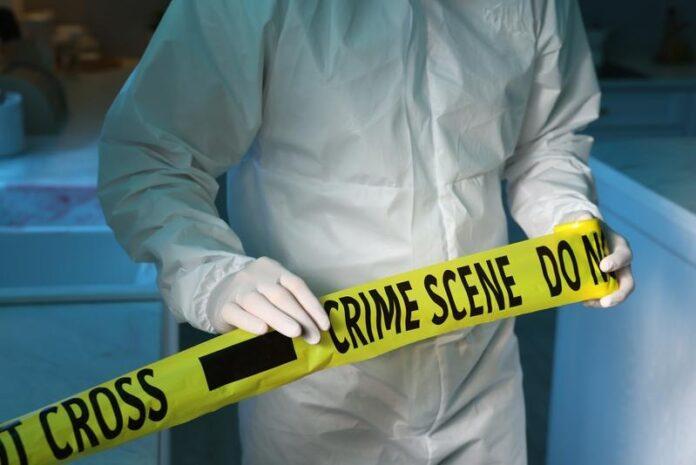
Some of the victims’ bodies lay outside the house under white sheets before stretcher crews carried them to pathology vans. Officers strung yellow tape around the neighborhood while forensic teams combed the property.
Police Launch 72-Hour Manhunt
No arrests had been made as of Wednesday, and Acting National Police Commissioner Puleng Dimpane ordered officers in the area into a special 72-hour operation to run down the three suspects. Investigators were following a “promising lead,” Dimpane said.
The motive remains unknown. Police said some of those killed had previously come to the attention of Crime Intelligence over suspected illegal activities, but declined to elaborate, saying that could compromise the investigations they had opened. A feud between rival groupings, they added, could not be ruled out.
Premier Appeals for Community Help
“The incident has left the community in profound shock and grief,” Ntuli said. Speaking to reporters at the scene, he urged residents to come forward with anything that might help find the gunmen. He described a largely poor community with known drug-dealing and illegal-firearm problems, its homes standing a few meters apart with no fences or walls between them.
With roughly 60 people slain every day in a population of about 62 million, South Africa ranks among the nations with the highest murder rates anywhere. Official police statistics recorded 5,427 homicides between April and June, an average of nearly 60 a day; figures covering January through March put the daily average at 58. Guns account for most homicides in the country, and police and crime researchers have long blamed the sheer volume of illegal firearms in circulation.
A String of Mass Shootings
The killings near Durban follow a run of similar attacks. In June, multiple shooters killed 12 people in an informal settlement in Cleveland, a Johannesburg suburb, in a case police tied to criminal gangs. About six months before that attack, nine people died when gunmen opened fire at a tavern outside Johannesburg. Another two mass shootings, two weeks apart and also carried out by multiple gunmen, left 21 people dead. And in a 2023 attack in KwaZulu-Natal, an entire family of 10 was gunned down at home, among them a boy aged 13.
The murder rate has been high for decades, but mass shootings are a newer phenomenon, one that has deepened public fear and fueled demands that the government dismantle organized crime networks — among them the contract-killing operations thought to rank as chief drivers behind such attacks. Security analysts point to a flood of illegal weapons, too few officers patrolling crime hot spots, a justice system that moves slowly and allegations that senior politicians and police officers are tied to gangs. The country is also battling networks built on drugs, extortion, illegal mining and gang violence, and the 2025 Africa Organized Crime Index notes that cocaine from South America moves through South Africa on its way to other markets.
President Cyril Ramaphosa announced in February that he would send the army in to back up the police, calling organized crime an urgent threat to the country’s democracy, society and economic development. Soldiers went into areas around Johannesburg, Cape Town and Eastern Cape province in March, a move critics called an admission that the police were failing. KwaZulu-Natal, where Tuesday night’s shooting took place, was left out. Police Minister Senzo Mchunu was placed on leave once he was accused of maintaining ties to a criminal syndicate and of meddling in police inquiries, claims he rejects.
Violence against women has sharpened the alarm, with the bodies of at least nine murdered women found in parts of Johannesburg, some dumped by roadsides. In KwaMakhutha, about 30 kilometers (19 miles) south of Durban, three gunmen remain at large. Police said their search was continuing and that no one was in custody as of Wednesday, September 23.