


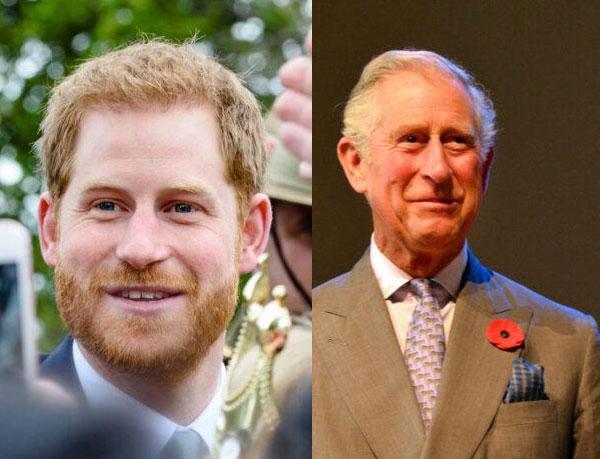
Prince Harry’s update on his father’s cancer ran to a single short sentence, and then the conversation turned to orphans.
Harry, the Duke of Sussex, 42, sat down with GQ magazine’s Zach Baron during a visit to New York City in late September. The interview went online Tuesday, Oct. 20, 2026, as the royal family welcomed the Sultan of Oman to Windsor Castle for a state visit.
Baron put it to Harry that the traumatic death of a parent could make having a sick parent now triggering. “Yeah, but he’s getting better,” Harry replied.
“I think there’s a big difference between losing one parent and losing two,” Harry said.
“The friends of mine that have lost two, they go, ‘Well, now I’m an orphan,’ even if you’re in your 40s or 50s. I’ve never heard someone say that to me before.”
King Charles III was diagnosed with cancer in 2024 and is still undergoing treatment. Harry is not believed to have seen him in person since moving back to Britain in August.
The Rift He Calls Relatable
Harry, his wife, Meghan Markle, and their two children returned to the U.K. Six years after the couple gave up their roles as working royals and moved to California. Their criticism in past interviews included accusing an unspecified royal of racism and saying palace staff were insensitive to Meghan’s mental health.
Asked whether he grieves his complicated relationship with his father and his older brother, Prince William, Harry answered yes. Broken relationships between siblings, and between children and their parents, come up constantly with people he meets, he said, which is part of why the public watches his family so closely.
“Some people don’t want it to work out — I want it to work out,” Harry said. Asked if the rift could be repaired, he said scars “stick around forever,” but that letting go of the past is “something that I would encourage everybody to do.” Family disputes, he said, are not worth carrying on when the world already supplies enough drama.
A spokesperson for the Sussexes later clarified that the remarks were not a swipe at William or directed at any member of the royal family, and were made in a general context.
The Last Phone Call With Diana
Princess Diana died in a car crash in Paris in 1997, when Harry was 12. He walked behind her coffin at her funeral alongside William, Charles, Prince Philip and Diana’s younger brother, Earl Spencer, who wrote of his disapproval of that decision in “Swan Song,” his memoir about Diana.
His biggest regret about his mother, Harry told Baron, is the last phone call the two of them had. He said he is the one who has to live with how that conversation went, and that as a boy of 12, all he wanted was to get back to his cousins and play.
Fatherhood shifted the weight of it. Before he had children — Prince Archie, seven, and Princess Lilibet, five — the guilt stuck to him and felt heavy, he said.
Harry said he wants no sympathy, pointing out that he is a prince with a support network who has tried different forms of therapy and put in the work, and that he wonders where he would be otherwise. He hoped talking about grief and trauma would be useful to other people. Putting Archie and Lilibet into British schools mattered more to him than he expected; two weeks in, he said, they were loving it.
The King’s Jokes About His Health
The most recent update on the king’s health came in December 2025, when he shared that his cancer had been reduced. The Princess of Wales, diagnosed weeks apart from Charles in 2024, is now in remission. In September, visiting Peterhead Port in Aberdeenshire, Charles joked that he did not know whether he would still be alive by the time the area’s latest projects were finished, drawing a laugh from his audience.
At the Sandringham Flower Show in July, a member of the public the same age as the king told him he was looking good. “It gets much harder, doesn’t it?” Charles replied, in good humor.