


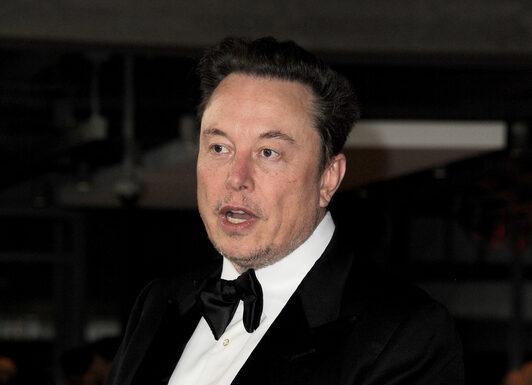
On a podcast episode that aired Dec. 10, 2025, Elon Musk opened up about the severe security challenges he now faces following the assassination of Charlie Kirk, revealing that he can no longer venture into public spaces without risking his life. The billionaire’s candid remarks came during an appearance on The Katie Miller Podcast, where he described his current existence as living on “hardcore mode.”
During the podcast interview, Musk explained that Kirk’s murder fundamentally changed how he approaches daily life. He disclosed that he cannot recall the last time he performed routine activities such as visiting a grocery store or stopping at a drugstore. Musk emphasized that this isolation is not by choice but by necessity, stating, “These days — particularly in light of Charlie Kirk’s murder, there are serious security issues.”
The tech mogul’s concerns extend beyond the typical celebrity encounters with fans seeking selfies. According to Musk, the stakes have escalated to a matter of survival. He must always have his guard up, constantly aware that any lapse in vigilance could prove fatal. He explained, “Life is on ‘hardcore mode.’ Make one mistake and you’re dead.”
Musk’s increasingly reclusive lifestyle represents a dramatic shift for someone who has historically maintained a highly visible public presence. The assassination of Kirk reinforced the severity of threats faced by prominent figures in the current political and social climate. Security considerations that might once have seemed excessive now appear justified, forcing Musk to fundamentally restructure how he moves through the world.
The impact of Kirk’s death has reverberated throughout conservative circles, with other prominent figures expressing similar concerns about their safety. Erika Kirk appeared on “Fox and Friends,” where she cried over her husband’s murder, bringing the human cost of political violence into sharp focus. The widow’s emotional appearance underscored the personal toll these security threats exact on families and loved ones.
Representative Marjorie Taylor Greene also addressed the climate of threats facing conservative leaders, publicly asking if she might be the next target. Greene urged an end to death threats against political figures, highlighting a broader pattern of intimidation and violence that extends beyond any single incident. Her concerns reflect a growing unease among public figures about their vulnerability to attacks.
The restrictions on Musk’s movements illustrate how security concerns can fundamentally alter the lives of high-profile individuals. What most people take for granted—running errands, dining out, or simply walking down a street—becomes impossible when the threat level reaches a certain threshold. Private security details, restricted movements, and constant vigilance become the new normal.
For someone of Musk’s wealth and influence, these constraints carry particular irony. Despite having virtually unlimited financial resources, he finds himself unable to enjoy basic freedoms that ordinary citizens exercise daily. The situation demonstrates that money cannot eliminate all risks, and in some cases, prominence itself becomes the primary liability.
Musk’s frank discussion of his security situation provides rare insight into the calculations that shape the lives of high-profile figures in an increasingly polarized environment. His description of life on “hardcore mode” suggests a constant state of alertness, where relaxation becomes a luxury he cannot afford. This heightened state of awareness takes both psychological and practical tolls, affecting everything from daily routines to long-term planning.
The broader implications of Kirk’s assassination extend beyond individual security concerns to questions about political discourse and the protection of public figures. When prominent voices face lethal threats for their views and activities, the effect ripples through democratic participation and free expression. The chilling effect of such violence can silence debate and discourage civic engagement.
As Musk continues adapting to this new reality, his experience highlights the complex relationship between public prominence and personal safety in contemporary America. The measures required to protect high-profile individuals increasingly resemble those reserved for heads of state, suggesting a fundamental shift in the threat landscape facing public figures across various sectors.