


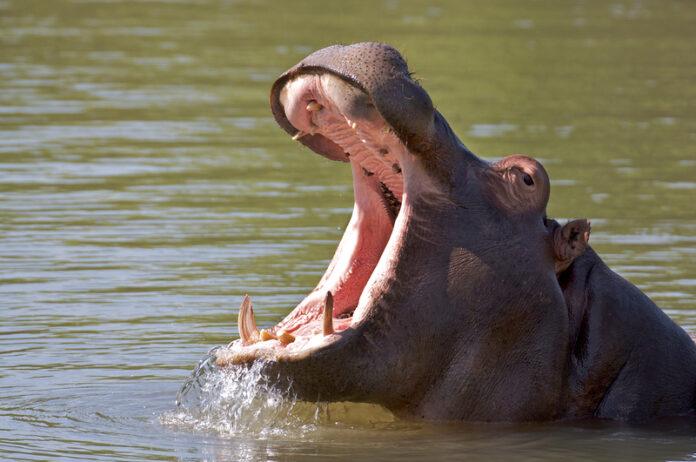
Four fishermen drowned in Lake Naivasha, Kenya, after hippos attacked a group of youths engaged in illegal fishing near Karlo Farm. The victims were among 14 youths who had gone fishing when the attack occurred, forcing them to flee. While 10 managed to swim to safety, four drowned in the incident that has intensified concerns over the rising death toll in the lake.
Two bodies were retrieved on Saturday evening, while the remaining two were recovered on Sunday morning following a joint search operation by the Kenya Coast Guard Service and local fishermen. The search efforts concluded on Monday, January 5, 2026, when all victims were accounted for.
Two of the victims were brothers from Kihoto Estate who had joined their colleagues for the fishing expedition. The bodies were taken to Naivasha Sub-County Hospital mortuary, and inquest files have been opened to investigate the circumstances surrounding the deaths.
Naivasha DCIO Isaac Kiama confirmed that all those who were in the water at the time of the attack have now been accounted for.
He expressed concern over the growing number of deaths involving youths who engage in illegal fishing on the lake. Kiama stated that as the number of illegal fishermen on the lake increases, cases of drowning also rise, with many of the victims being very young men trying to provide food for their families.
The tragedy has highlighted a persistent problem facing Lake Naivasha, where deaths from drowning and hippo attacks have become alarmingly common. Francis Muthui, chairman of Friends of Lake Naivasha, said the lake records at least four deaths every month linked to drowning or hippo attacks.
Foot fishermen are the most affected by these deaths, as the activity attracts hundreds of unemployed youths, mainly from nearby informal settlements including Karagita and Kamere. These young people venture into the lake without proper fishing licenses or safety equipment, driven by economic necessity and the search for food for their families.
The increasing aggression of hippos in Lake Naivasha has been attributed to human encroachment on their natural habitat. Encroachment on riparian land has pushed the animals into closer contact with human activity, while the closure of wildlife corridors has limited their movement patterns and made them more aggressive than in previous years.
Muthui revealed that conservationists had proposed culling the hippos to reduce the threat, but KWS rejected this proposal. “We proposed culling the hippos, but KWS ruled this out. It is time a decision is made on whether some animals could be relocated to other water bodies,” Muthui said.
However, Grace Nyambura from the Lake Naivasha Network Group placed blame on the victims for operating illegally and encroaching on wildlife habitat. The group noted that no licensed fisherman has been attacked or killed by a hippo in the lake for years, suggesting that proper licensing and adherence to fishing regulations provide a measure of safety.
The distinction between licensed and unlicensed fishermen has become a critical point in the debate over lake safety. Licensed fishermen operate with proper equipment and knowledge of safe fishing practices, while foot fishermen—typically unemployed youths from informal settlements—venture into dangerous waters without adequate preparation or understanding of hippo behavior.
The hippo problem extends beyond the lake itself. The animals have become a menace to residents in estates such as Kihoto, KCC, Karagita and Kamere, where hippos roam at night searching for pasture. These nocturnal forays bring the animals into direct contact with residential areas, creating additional safety concerns for local communities.
The Lake Naivasha crisis reflects broader challenges in balancing wildlife conservation with human safety and economic needs. The lake, a critical freshwater body in Kenya’s Rift Valley, supports both a diverse ecosystem and human populations that depend on its resources for their livelihoods.
Conservation groups argue that wildlife protection must remain a priority, while community leaders emphasize the desperate economic circumstances driving young people to risk their lives through illegal fishing. The debate over potential solutions—including hippo relocation, enhanced enforcement of fishing regulations, or improved economic opportunities for at-risk youth—continues without resolution.
The incident near Karlo Farm represents the latest in a monthly pattern of fatalities that has persisted despite warnings and previous tragedies. With at least four deaths occurring every month, Lake Naivasha has developed a grim reputation as one of Kenya’s most dangerous bodies of water for those who venture onto its surface without proper authorization or equipment.
Local authorities have emphasized that fishing on Lake Naivasha requires proper licensing and adherence to safety protocols. The victims in the latest incident were fishing illegally, a factor that officials say significantly increases the risk of fatal encounters with hippos and other hazards.
As investigations continue into the deaths of the four young men, the tragedy has reignited calls for comprehensive action to address the underlying causes of illegal fishing and human-wildlife conflict in the Lake Naivasha area. Without effective intervention, conservationists and community leaders warn that the monthly death toll is likely to continue.