


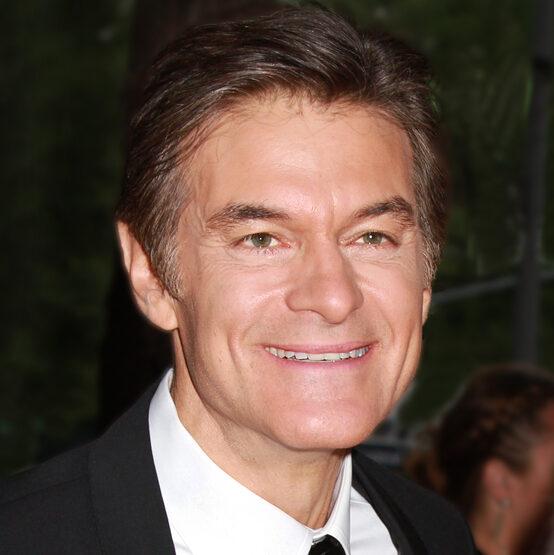
CNN anchor Dana Bash sharply questioned Dr. Mehmet Oz on Sunday after he claimed that the Trump administration has consistently advocated for measles vaccines, prompting an audible reaction of disbelief from the veteran journalist during a tense live television exchange.
The confrontation occurred during Dr. Oz’s appearance on CNN State of the Union, where Trump appointed Dr. Oz as Centers for Medicare & Medicaid Services Administrator addressed the unprecedented measles outbreak affecting the United States. Bash noted that South Carolina has reported between 800 and 900 measles cases, representing the worst measles outbreak since the disease was declared eradicated.
When Bash asked whether the outbreak was a consequence of the administration undermining support for advocacy for measles and other vaccines, Dr. Oz, who was appointed to his position by Donald Trump, responded that he did not believe the administration was responsible. He then asserted that Robert F. Kennedy Jr., appointed by Trump as HHS Secretary, has been advocating for measles vaccines.
Bash interrupted Dr. Oz with disbelief as he continued his defense of the administration’s vaccination stance.
The exchange highlighted growing concerns about public health messaging as measles continues its resurgence across the country. The current outbreak represents a dramatic reversal of decades of progress against the highly contagious disease.
When pressed further, Bash pointed to Children’s Health Defense, the organization that Kennedy founded and ran. Kennedy served as chair of Children’s Health Defense from 2015 to 2023. On February 5, the group posted on social media that despite media scare tactics, there is no reason to fear measles.
Bash asked Dr. Oz directly whether people should fear measles. Dr. Oz said people should fear measles and urged Americans to take the measles vaccine.
The administration made significant changes to childhood immunization recommendations in January, cutting the number of universally recommended childhood vaccines from 17 to 11. This reduction marked a substantial departure from vaccination schedules that have been in place for years and raised concerns among public health experts about potential impacts on disease prevention.
Kennedy’s history with vaccine advocacy has been controversial. Last May, he appeared on Fox News with host Brett Baier to share a conspiracy theory about vaccine production, claiming that the MMR vaccine contains aborted fetal tissue.
Vaccination rates across the United States have reached concerning lows. MMR vaccination fell below the 95 percent herd immunity threshold in 2021, a critical benchmark that epidemiologists consider necessary to prevent disease outbreaks in communities.
In parts of South Carolina, vaccination rates have dropped to 82.5 percent, significantly below the level needed for community protection. This decline in vaccination coverage has created pockets of vulnerability where diseases like measles can spread rapidly among unvaccinated populations.
The human cost of declining vaccination rates became tragically apparent in 2025, when two unvaccinated children died from measles in Texas. Another person died from measles in New Mexico last year, underscoring the serious health risks posed by the disease.
The disease typically begins with fever, cough, runny nose, and red eyes, followed by the characteristic red rash that spreads from the head down through the body.
During the interview, Dr. Oz attempted to defend the administration’s revised vaccination schedule. However, Bash repeatedly steered the conversation back to measles specifically, pressing for clarity on the administration’s position regarding this particular disease.
The tension during the interview reflected broader debates about public health authority and vaccine policy that have intensified in recent years. Public health experts have expressed alarm at declining vaccination rates and what they characterize as mixed messaging from federal health officials.
Dr. Oz emphasized that the Centers for Medicare & Medicaid Services funds any vaccine Americans want to take and that there would never be a barrier to accessing the measles vaccine. However, public health advocates have noted that access to vaccines is only part of the equation, arguing that clear, consistent messaging from health officials is equally crucial to maintaining high vaccination rates.
The interview comes at a critical juncture as health departments across the country work to contain measles outbreaks and restore public confidence in vaccination programs. The contrast between Dr. Oz’s assertions about administration support for measles vaccines and Bash’s pointed questioning highlighted the scrutiny facing federal health officials as they navigate complex public health challenges while managing controversial policy changes.