


Armed gunmen slaughtered dozens of people and abducted women and children during a devastating overnight assault on a village in northwestern Nigeria’s Zamfara state, Thursday, February 19 2026, adding to a surge of bloodshed that has claimed over a hundred lives across the country’s volatile northern region in recent weeks.
State police spokesperson Yazid Abubakar confirmed Monday, February 23, that 38 people were killed in the attack on Tungan Duste, a community in the Bukkuyum area. Despite receiving advance intelligence about the impending assault, police could not reach the remote village in time due to poor road access.
“By the time we have our way, the assailants have invaded the community and killed 38 while also abducting many residents,” Abubakar told The Associated Press.
Investigators are now compiling a list of the women and children taken during the raid, which began around 5 p.m. Thursday and continued until approximately 3:30 a.m. Friday. Armed men arrived on motorcycles, torched shops and homes, shot fleeing residents, and systematically abducted villagers before disappearing into the darkness.
Residents had spotted warning signs before the massacre. Abdullahi Sani, 41, said villagers contacted security forces and local authorities after seeing more than 150 motorcycles carrying armed men approaching the area a day earlier. The warning was ignored, he said. Three members of his family were killed in the assault.
The Zamfara attack represents just one front in Nigeria’s expanding security crisis. In nearby Kebbi state, 33 people were killed in simultaneous attacks last week. Lawmaker Hamisu A Faru, who represents Bukkuyum South, reported that armed groups have been moving from village to village, leaving destruction in their wake.
The violence has drawn sharp international condemnation. The African Union condemned the attack on Sunday and called for the immediate release of all abducted women and children.
The escalating crisis has prompted increased international involvement. The United States recently sent 100 soldiers to Nigeria to train and advise the military on combating insecurity. The troops arrived at Bauchi Airfield and will provide technical support and intelligence sharing under Nigerian command, according to Defence Headquarters spokesperson Samaila Uba.
The deployment follows President Donald Trump’s accusations that Nigeria has failed to halt the killing of Christians and his threats of military intervention. On December 25, the United States launched airstrikes on Islamic State-linked targets in northern Sokoto state, conducted in coordination with Nigerian authorities.
Nigeria’s northern and northwestern regions have become a battleground where multiple armed groups operate with increasing boldness. Criminal gangs, known locally as bandits, conduct raids and kidnappings for ransom. Islamist insurgents, including Boko Haram and its breakaway faction Islamic State West Africa Province, continue their campaigns of violence. The IS-linked Lakurawa has also expanded operations in Sokoto and Kebbi states. Land disputes fuel clashes between farmers and herders, while separatist movements add another layer of instability.
The violence extends beyond Zamfara. At least 46 people were killed in raids on the Borgu area of Niger State last week, with the deadliest assault occurring in Konkoso village, where 38 residents were shot or had their throats cut. Earlier this month, jihadists killed more than 160 people in an attack on the village of Woro in Kwara State.
The pattern of attacks reveals a disturbing trend: armed groups arrive on motorcycles, often in overwhelming numbers, targeting communities with limited security protection. The remoteness of many villages, combined with inadequate road infrastructure, means security forces frequently cannot respond in time—even when they receive advance warning.
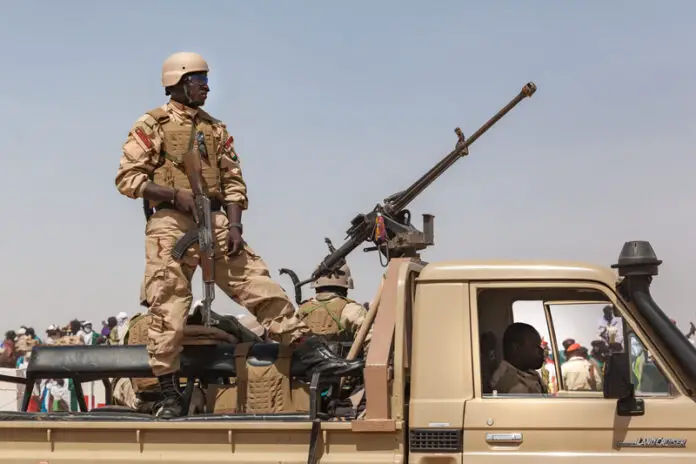
President Bola Tinubu has deployed additional military forces to affected areas, but the violence continues unabated. Critics argue that Nigeria’s security apparatus remains overstretched and underfunded, unable to protect civilians across the country’s vast territory. Religious and community leaders from the Borgu area have called on Tinubu to establish a permanent military base to end the recurring attacks.
For communities in Zamfara and surrounding states, the threat has become a grim reality of daily life. Families flee their ancestral homes, farmers abandon their fields, and children miss school as entire villages empty in fear. The psychological toll compounds the physical devastation, leaving survivors traumatized and uncertain about their future.
As investigators work to determine the full scope of Thursday’s attack in Tungan Duste, including the number of people abducted, residents face an agonizing wait for news of their missing loved ones. The massacre underscores the urgent need for Nigeria to address its deepening security crisis before more communities fall victim to armed groups operating with apparent impunity.