


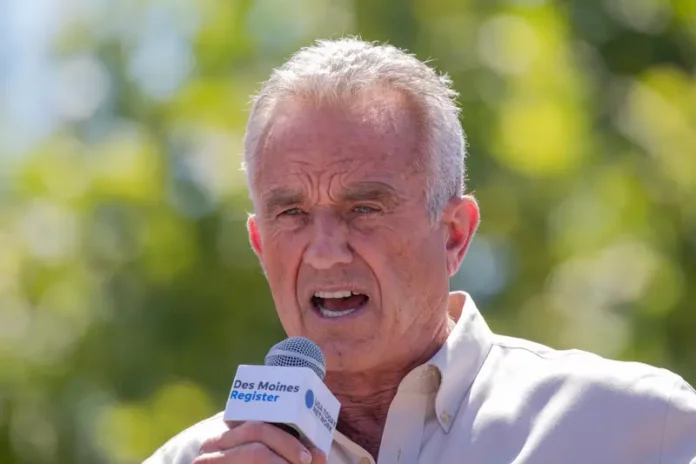
Some of the largest food and agriculture corporations in the United States are bankrolling a campaign that pays social media influencers to push back on parts of Health and Human Services Secretary Robert F. Kennedy Jr.’s Make America Healthy Again (Maha) platform, according to internal documents surfaced in an investigation published Sept. 30, 2026, by Documented, an investigative watchdog and journalism project, and reporting partners.
The counteroffensive even borrows its rival’s cadence. They call it Gaha: Growing a Healthier America, an effort built by the Center for Food Integrity (CFI), an industry-funded nonprofit formed in 2007, in partnership with its member organizations across farming, agribusiness and food, in a bid to re-establish credibility with the public after Maha gained popularity.
Inside the Gaha Playbook
CFI tracks public sentiment on the issues at the center of Maha and suggests ways agricultural interests can counter those narratives by appealing to emotion or to scientific reasoning. Documents show the coordinated effort is monitoring the movement closely and researching how to answer its claims without alienating its supporters. The target list is specific: seed oils, pesticides, high-fructose corn syrup, regenerative agriculture, organic farming, raw milk and dairy, and “big ag.”
In a July 2025 training video, the center laid out the ambition plainly — an “echo chamber” among food and agriculture industry groups, all behind the same message. “Without this coordinated response, that misinformation [from Maha] risks undermining consumer trust, fueling new regulations and eroding confidence in agriculture as a whole,” Leighton said in the video, referring to Kelly Leighton, the center’s executive director.
The Influencer Front Line
The Gaha influencer campaign officially launched in late 2025. In February, CFI compiled a report cataloging dozens of sponsored posts on blogs, Facebook, TikTok and Instagram about key Gaha subjects. At least six influencers have signed on so far, reaching a total audience of more than 2.6 million viewers. Some paid posts featured farmers talking about pesticides or regenerative agriculture, the practice of restoring soil health. Others simply explained what seed oils are, countering claims that they cause a host of health problems.
Influencers who participated said they viewed the work as a counterweight to misinformation from Maha proponents, many of whom are themselves paid to promote products in the wellness space. The arithmetic behind the strategy is not subtle: research shows 64 percent of consumers trust social media influencer recommendations, which often translates into more leads and sales. Oreo’s partnership with prominent food influencers produced a 20 percent sales increase within the first quarter and 15 percent growth in brand followers from user-generated content. The persuasive power runs both ways — research has linked YouTube influencers to unhealthy eating habits among children, including junk and fast food.
Why the Industry Is Worried
The polling explains the urgency. A KFF survey conducted in May 2026 found that about four in 10 U.S. adults say they support the Maha movement, while majorities say there is not enough regulation of pesticides used in agriculture, 64 percent, or of chemical food additives, 75 percent.
Critiques of the food system, from pesticides to processed foods, were long the purview of Democrats. With Maha and President Donald Trump’s embrace of Kennedy, those views have taken hold with many Republicans as well. That cross-partisan support in Washington poses a threat to the food industry’s bottom line, even though the Trump administration has largely stopped short of enacting new regulations.
Kennedy’s ascension to the Cabinet boosted his campaign to end chronic illness in the U.S., which he attributes primarily to processed foods and dyes, exposure to certain chemicals and poor farming practices, along with an overuse of what he falsely claims are dangerous vaccines. The movement blends long-running mainstream concerns about food and farm safety with conspiracy theories about everything from medicine to milk, and it fills rooms: an Eat Real Food rally drew supporters to Brazos Hall in Austin, Texas, on Feb. 26.
Who Is Funding the Message
CFI’s board is stocked with corporate names. Bryan Malenius, the board president, also serves as director of reputation strategy for public affairs at Chick-fil-A, and other members hold senior positions at companies such as Cargill, Dairy Farmers of America and the National Pork Board. Its dues-paying members include the American Farm Bureau Federation, several state farm bureaus, CropLife America and the National Restaurant Association. Zippy Duvall, the farm bureau federation’s president, took credit for bringing industry groups together to form the Gaha coalition during a speech in January 2026.
Not every brand is pushing back. Steak ‘n Shake appointed a chief Maha officer to promote healthier fast food, betting on alignment rather than rebuttal. Meanwhile, the movement’s political standing was on display in Washington, where a Maha summit featured Vice President JD Vance and several members of Trump’s Cabinet. During one exchange at the summit, Vance dodged a question from Kennedy about ice cream.