


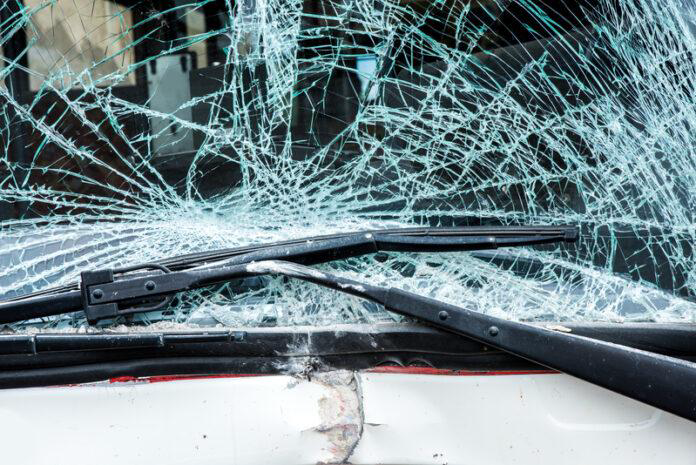
At least 13 children died after a minibus collided with a truck in Vanderbijlpark, South Africa, authorities confirmed. The tragedy unfolded in Gauteng province, south of Johannesburg, when a private vehicle transporting students to primary and high schools was involved in a head-on collision around 7 a.m. on January 19, 2026.
Preliminary reports indicated that 11 schoolchildren died at the scene. Two additional children succumbed to their injuries in the hospital, bringing the death toll to at least 13. The body of one pupil was discovered trapped beneath the vehicle later in the day.
Witnesses reported that the minibus was overtaking vehicles when it collided with the truck. The Toyota Quantum minibus carried 17 pupils total, despite being certified for only 14 passengers. Provincial police spokesperson Mavela Masondo confirmed the vehicle was overloaded.
Gauteng Premier Panyaza Lesufi said the school vehicle was trying to overtake several cars when it was confronted by the truck. The truck driver attempted to swerve to avoid the collision, but the maneuver came too late to prevent the devastating impact.
Emergency responders from Gauteng Emergency Services transported five patients to Sebokeng Hospital, while two others were taken to Kopanong Hospital for further medical care. The minibus driver was injured in the crash and was among those taken to the hospital. Four pupils remain hospitalized with serious injuries as investigations continue.
Five children were critically injured in the crash. The bus driver survived and will be investigated as part of a culpable homicide investigation following medical treatment. The truck driver also survived and will be questioned by authorities.
Provincial education department minister Matome Chiloane told reporters the minibus driver will be investigated for possible reckless driving. Police confirmed the incident is under investigation.
Parents weeping at the scene created heartbreaking images as emergency services worked to recover books and stationery scattered across the roadway. The emotional toll on families and the broader community was immediately visible in Vanderbijlpark.
President Cyril Ramaphosa expressed his sadness at the loss of life. National and provincial authorities will provide families and schools with the necessary psychosocial support, he said. “Our children are the nation’s most precious assets and we must do all we can — from observing the rules of the road to the quality of service providers,” Ramaphosa said.
The Minister of Basic Education Siviwe Gwarube, said many accidents involving school transport are caused by driver error. “She called on the Department of Transport to ensure vehicles entrusted with transporting schoolchildren are roadworthy,” authorities reported.
Premier Lesufi, describing the accident as “unbearable,” urged stricter regulation for the growing private scholar transport sector. The call for enhanced oversight reflects mounting concerns about safety standards in South Africa’s informal school transportation network.
South Africa has long grappled with road safety challenges, particularly involving scholar transport. The country’s road network sees thousands of fatalities annually, with inadequate vehicle maintenance, driver behavior, and regulatory enforcement contributing to the problem. Private school transport operators often fill gaps left by insufficient public transportation, but this informal system has historically operated with varying degrees of oversight.
The Toyota Quantum minibus, a popular vehicle for informal public transport throughout South Africa, has become synonymous with scholar transport in many communities. These vehicles, known locally as “taxis,” serve millions of commuters daily but have been involved in numerous serious accidents over the years.
Vehicle overloading remains a persistent problem in South Africa’s transport sector. Regulations stipulate maximum passenger capacities, but enforcement challenges and economic pressures often lead operators to exceed these limits.
Gauteng province, South Africa’s economic heartland, encompasses Johannesburg and Pretoria and is home to millions of schoolchildren who rely on various forms of transport to reach educational institutions. The province’s road network handles some of the heaviest traffic volumes on the continent, creating additional safety challenges.
Head-on collisions typically result in the most severe outcomes in traffic accidents due to the combined force of both vehicles. When one vehicle attempts to overtake on a two-lane road, the risk of such collisions increases dramatically, particularly during morning rush hours when visibility and reaction times are critical.
The timing of the crash, around 7 a.m., coincides with peak school drop-off hours across South Africa. Roads are typically congested during this period as parents, school buses, and commercial traffic converge, creating conditions where aggressive driving maneuvers become particularly dangerous.
Culpable homicide investigations in South Africa examine whether negligence or reckless behavior contributed to deaths. These investigations can lead to criminal charges if authorities determine that a driver’s actions constituted gross negligence or disregard for safety.
The provision of psychosocial support to affected families and schools represents a critical component of the response to such tragedies. Children who witnessed the accident or lost classmates will require professional counseling to process the trauma. Schools will need to implement support programs to help students and staff cope with the loss.
This incident highlights ongoing debates about the regulation of private scholar transport in South Africa. While these services provide essential mobility for students whose families cannot afford private vehicles or who live far from schools, the sector operates with varying levels of professionalism and safety compliance.
The call for stricter regulation will likely intensify discussions about licensing requirements, vehicle inspections, driver training, and enforcement mechanisms. However, implementing more rigorous standards must be balanced against ensuring transportation remains accessible and affordable for families who depend on these services.
Road safety experts consistently emphasize that most traffic accidents are preventable through a combination of proper vehicle maintenance, driver education, enforcement of traffic laws, and infrastructure improvements. The challenge lies in translating these principles into consistent practice across all sectors of the transportation network.
As investigations continue, authorities will examine all factors that contributed to the crash, including vehicle condition, driver qualifications, road conditions, and whether any violations of traffic laws occurred. The findings will be crucial in determining whether criminal charges are warranted and what systemic changes might prevent similar tragedies.