


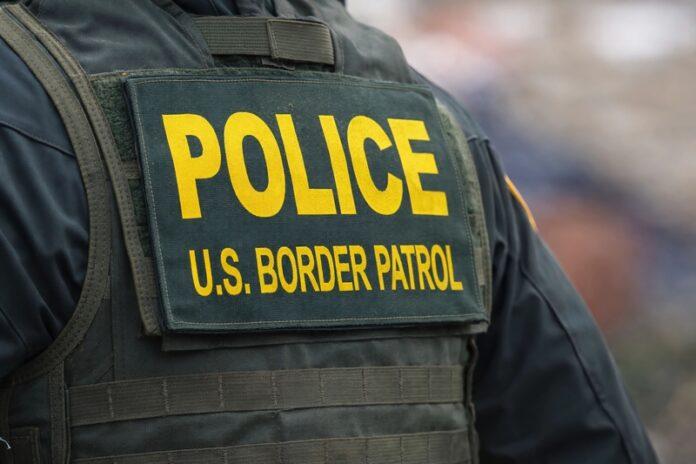
Gregory Bovino has been removed from his role as commander at large of Customs and Border Protection following two fatal shootings of U.S. citizens by federal agents in Minneapolis, Minnesota, marking a significant shift in the Trump administration’s approach to immigration enforcement operations.
The 55-year-old border official is returning to his previous position as chief patrol agent in El Centro, California, after overseeing thousands of arrests in major cities including Los Angeles, Chicago, Charlotte, New Orleans, and Minneapolis. The Department of Homeland Security stated Monday that Bovino has not been relieved of his duties, with DHS Assistant Secretary Tricia McLaughlin calling him a key part of the administration’s team.
The leadership change follows the fatal shooting of Alex Pretti on Saturday and comes as President Donald Trump announced he is sending Tom Homan, the White House border czar, to Minneapolis to take over enforcement operations. Trump said Homan would report directly to him, effectively bypassing both Homeland Security Secretary Kristi Noem and Bovino in the chain of command.
Pretti, a 37-year-old nurse, was fatally shot by federal agents during a confrontation in Minneapolis. Video evidence shows Pretti holding a cell phone. Despite evidence that Pretti possessed a concealed carry permit and was lawfully armed, Bovino claimed at a press conference that Pretti wanted to massacre law enforcement.
Trump himself appeared to distance the administration from that characterization, adding that Pretti was not acting like an assassin.
Bovino also drew criticism for his comments following the shooting, calling the Border Patrol agents the victims.
The Pretti shooting marked the second fatal shooting by federal agents in Minneapolis in recent weeks. On January 7, Renee Good, a 37-year-old mother of three children, was shot and killed by an ICE officer.
The two fatal shootings in Minneapolis sparked mass protests across Minnesota and drew bipartisan criticism. Trump placed calls to both Minnesota Governor Tim Walz and Minneapolis Mayor Jacob Frey this week.
Federal agents are now leaving Minneapolis as part of the administration’s response to mounting backlash. The withdrawal marks a notable shift in strategy for an administration that had initially defended aggressive enforcement tactics deployed across multiple cities.
Bovino’s career with CBP spans multiple decades in various leadership positions. His high-profile role as commander at large elevated him to national prominence as the public face of Trump’s immigration crackdown.
During Operation Midway Blitz in Chicago, Bovino oversaw more than 3,000 arrests in the city and surrounding suburbs. In Los Angeles, his operations resulted in more than 5,000 arrests. His aggressive tactics and confrontational public persona made him one of the most recognizable figures in federal immigration enforcement.
Bovino’s enforcement methods drew judicial scrutiny during the Chicago operation. In one significant finding, a judge said Bovino admitted he lied about being hit with a rock before deploying tear gas against demonstrators.
Bovino himself threw tear gas at protesters during demonstrations against immigration enforcement operations. His hands-on approach to crowd control and frequent media appearances made him a polarizing figure, celebrated by immigration hardliners and condemned by civil liberties advocates.
The position of commander at large was a temporary assignment that gave Bovino broad authority to lead enforcement operations across the country. His removal from this role and return to El Centro represents a significant change, though DHS officials maintain he remains part of the administration’s immigration enforcement leadership.
The administration’s shifting rhetoric marks a departure from its initial aggressive defense of agent tactics following both fatal shootings.
The Minneapolis operations have become a flashpoint for debates over immigration enforcement methods and federal authority. Protests have continued across Minnesota, with demonstrators calling for accountability and changes to enforcement tactics. State and local officials have clashed with federal authorities over coordination and oversight of immigration operations in their jurisdictions.
Bovino’s tenure as commander at large showcased the administration’s aggressive approach to immigration enforcement. His media appearances kept him in the public eye as federal agents conducted sweeping operations in Democratic-led cities.
The leadership transition in Minneapolis, with Homan taking direct control under Trump’s orders, suggests the administration recognizes the need for a different approach following the public outcry over the shootings. Homan’s appointment bypasses normal departmental hierarchies, giving him direct authority to reshape operations in the city.
As Bovino returns to El Centro, questions remain about whether his aggressive enforcement model will continue in other cities or whether the Minneapolis backlash will prompt broader changes to immigration enforcement tactics nationwide. The two fatal shootings have intensified scrutiny of federal agents’ use of force and raised questions about oversight mechanisms for operations in local communities.