


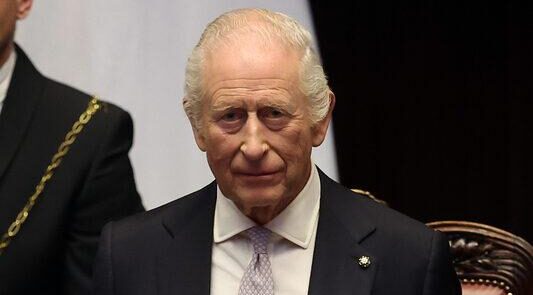
It was supposed to be the fairy-tale beginning to her life as a future queen, but Kate Middleton’s entry into the royal family came with an unusual condition that left her reeling — and her new husband seething. According to a forthcoming biography, King Charles and Queen Camilla quietly pressured the bride to swap the spelling of her first name from Catherine to Katherine shortly after she walked down the aisle at Westminster Abbey.
The bombshell claim, made by veteran royal biographer Christopher Andersen in his upcoming book Kate! The Courage, Grace, and Power of the Woman Who Will Be Queen, sheds new light on the behind-the-scenes drama that unfolded in the lead-up to and aftermath of the April 29, 2011, royal wedding. The request, Andersen alleges, was floated because having three “C” names in the family — Charles, Camilla, and Catherine — felt like “overkill.”
A Royal Monogram Problem
The reasoning behind the request, as first reported on May 6, 2026, came down to heraldry. Charles and Camilla — then Prince Charles and Camilla, Duchess of Cornwall — each carried a royal monogram consisting of interlocking C’s beneath a crown. Adding a third “C” cypher to the family lineup, they reportedly worried, would muddy the symbolic waters of the monarchy.
Camilla, according to Andersen, framed the change as a “logical progression,” noting that the world already knew the new Duchess of Cambridge as Kate anyway. From her perspective, switching the formal spelling to “Katherine” was a small adjustment with practical benefits. The bride, however, did not see it that way.
Kate, whose full maiden name is Catherine Elizabeth Middleton, was reportedly “offended” by the suggestion. The young royal had only just gained a new husband, a fistful of titles, and a Welsh gold band — and now she was being asked to alter the very name printed on her birth certificate.
William’s Furious Pushback
If Kate was hurt, Prince William was incensed. Andersen describes the future king as “fuming” over the proposal, which he reportedly considered “insulting, not only to Kate but to her entire family” — a clear reference to the Middletons, with whom William has long shared a famously close relationship.
According to Andersen, William refused to let his new wife alter her identity to suit the firm’s branding concerns. He pushed back hard, defending his bride’s name and her family’s legacy, and the idea was eventually dropped. Middleton chose to proudly retain her maiden spelling, and the matter was, as far as the public knew, put to rest.
Interestingly, Andersen is not the first royal insider to put this awkward episode on the record. Prince Harry made nearly identical claims in his 2023 memoir Spare, recounting the moment with characteristic candor.
“I remembered the time [Charles] and Camilla wanted Kate to change the spelling of her name, because there were already two royal cyphers with a C and a crown above,” Harry wrote. “Charles and Camilla. It would be too confusing to have another. Make it Katherine with a K, they suggested. I wondered now what came of that suggestion.”
Other Wedding-Day Drama Revealed
The name dispute wasn’t the only piece of pre-wedding chaos detailed in Andersen’s book. According to the biographer’s account, William allegedly reeked so strongly of alcohol on the morning of the ceremony that Harry quietly handed him a mint before the procession down the aisle.
The Prince of Wales had also reportedly wanted to grow a beard for his big day at Westminster Abbey, but was prevented from doing so by a longstanding military ban on facial hair. That restriction wasn’t lifted until 2024 — 13 years after he stood at the altar clean-shaven. Despite these flashpoints, the wedding party managed to put on a flawless public performance, and the family successfully navigated their differences in the years that followed.
From Tension To Tight Bond
Whatever friction existed in April 2011 has long since dissolved. Today, Kate is widely described as King Charles’ “beloved daughter-in-law” and Queen Camilla’s pillar of strength. The Princess of Wales has emerged as one of the monarchy’s most popular and influential figures, standing alongside her in-laws at major occasions in recent years.
Royal biographer Sally Bedell Smith told PEOPLE that the bond between Kate and Charles has only deepened with time, particularly amid the health challenges both have faced in recent years. She described the king as viewing his daughter-in-law almost like the daughter he never had, adding that he and William share a protective impulse toward her.
For royal watchers, Andersen’s revelations — corroborated by Harry’s earlier memoir — offer a rare glimpse into how the modern monarchy negotiates identity, tradition, and family loyalty behind palace walls. The fact that Kate stood her ground at 29, refusing to bend her name to suit the firm’s heraldic concerns, may now look like an early signal of the steely resolve that has since defined her public role. As Andersen’s biography prepares to hit shelves, the story of the “K” that never was serves as a reminder that even fairy tales require a little fight.