


A 57-year-old pathologist has been arrested after construction workers discovered the remains of more than 30 unborn babies buried in the garden of her former property in Poland on June 10, 2026.
The shocking find was made when construction crews excavating a driveway at a residential property in Lutoryż, a village in southeastern Poland near the city of Rzeszów. The unborn babies were uncovered by the excavator, sparking panic and an immediate emergency response that transformed the once-peaceful neighborhood into a full-scale forensic zone.
Prosecutors revealed they were first alerted after chilling reports of medical waste, including paraffin blocks and microscope slides, being discovered on the property. Among the debris was a human fetus and other remains that could have been early-stage human fetuses or their fragments, according to prosecutor Krzysztof Ciechanowski.
Specialists arrived at the location and verified that the discovered materials were human fetal remains. Prosecutors announced on Saturday, June 13, that the remains of 32 human fetuses had been discovered at the site, though some Polish media outlets have reported the number could be between 50 and 100 fetal remains.
The pathologist, identified by Polish media as Magdalena H., a former resident of the location, was apprehended in Zamość on Thursday, June 12, following the launch of an extensive investigation into the disturbing find. Authorities determined that the current residents of the five-acre site are a young couple who bought it from Magdalena.
Radio Eska reported that Magdalena H. told investigators she took deceased fetuses from a hospital during the COVID-19 pandemic and purportedly performed medical research on them at her residence. Following these alleged examinations, she stated she packaged the remains in bags and interred them in the yard.
Authorities seized multiple medical supplies from the location, including tubes, containers, microscope slides and documents that appeared connected to hospital records. Forensic crews were seen sifting through the soil around the house, and a waterworks truck was brought in to examine drains and sewer systems for evidence.
Ciechanowski stated that as established so far, the items were found during earthworks on the property, and among the waste there was also a human fetus and other remains that could constitute human fetuses in an early stage of development or their fragments.
Radio Rzeszów reported that Magdalena H. faces accusations of desecrating human remains and improperly disposing of hazardous waste in an unauthorized location. She will remain in custody until September 10, 2026. The most serious charge under investigation carries a maximum prison sentence of up to 12 years.
Investigators are now scrambling to determine whether the suspect acted alone and whether more burial sites exist. Prosecutors are checking whether other people were involved in moving, handling or disposing of the remains. Local reports indicate that investigators suspect the case may not be limited to one property.
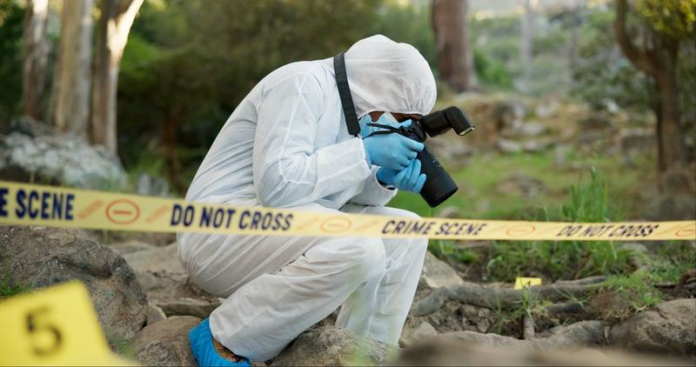
The District Prosecutor’s Office in Rzeszów is examining potential offenses related to the desecration of human remains and the unlawful disposal of hazardous medical waste. Police tents, specialist teams in white protective suits and heavy machinery flooded the scene as the investigation unfolded.
According to The Sun, Magdalena reportedly bought the property two years ago before selling it six months ago. A local resident described her as “a bit strange.” The quiet village was plunged into chaos following the grisly discovery, with police refusing to comment publicly as the investigation continues.
The case first came to light when construction workers at the property unearthed materials that appeared to be medical waste. Subsequent investigations by authorities confirmed that some of the recovered material included human fetal remains, prompting the arrest and ongoing criminal investigation.
Prosecutors are examining whether Magdalena H. had any accomplices and whether similar activities occurred at other locations. The investigation remains active as authorities work to piece together the full scope of the alleged crimes and determine how many fetal remains were ultimately involved in what has become one of Poland’s most disturbing recent criminal cases.
Medical waste found alongside the bodies included paraffin blocks used by pathologists, which are typically employed in tissue preservation and examination. The presence of these specialized materials, along with microscope slides and what appear to be hospital documentation, has raised serious questions about how the suspect obtained the fetal remains and what procedures, if any, were followed.
The shocking nature of the discovery has sent ripples through the local community and raised broader questions about medical ethics, the handling of fetal remains and oversight of pathological work conducted outside official hospital settings. Authorities continue to investigate all aspects of the case as they build their prosecution.