


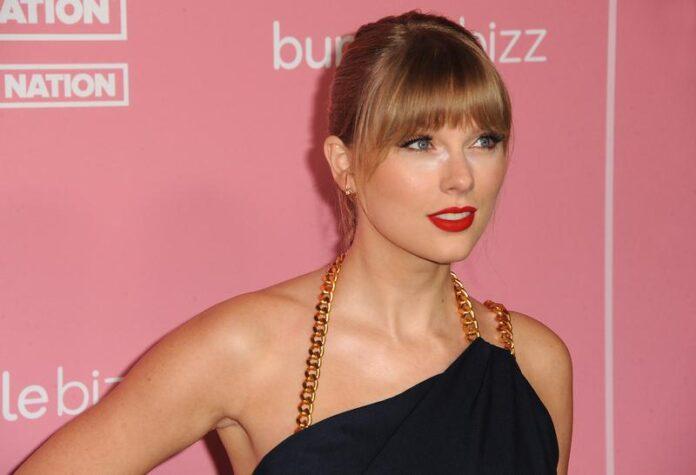
Taylor Swift has moved to silence President Donald Trump’s campaign and the White House after both accounts used her music in social media videos without her permission, with multiple TikTok posts now playing without sound following apparent copyright enforcement, according to multiple news outlets.
Over the span of roughly a week, the Trump campaign posted two of Swift’s songs on its TikTok page. One video, posted Aug. 3, 2026, showed President Trump and First Lady Melania Trump watching fireworks, set to Swift’s song “August.” The accompanying caption made no attempt to hide the provocative intent, tagging the singer and stating: “I’m sure @Taylor Swift is going to be super excited we used her song! #taylorswift #maga #august.” A second post needled Swift over the title of her 2012 album “Red,” questioning whether her fans realized she had named a full album after the GOP’s signature color. The videos no longer have audio, with some displaying messages that the music was removed following copyright complaints or actions by the owner.
A Pattern of Unauthorized Music Use
The two most recent videos were not the first time the Trump administration reached into Swift’s catalog. In June 2026, the campaign posted a video using “I Knew It, I Knew You,” Swift’s contribution to the “Toy Story 5” soundtrack, which depicted Trump with children at the White House, at a UFC event, and at a rally. Going back further, the White House used Swift’s “High Infidelity” in April 2026 in a video documenting the Artemis II crew’s visit with Trump, invoking the song’s lyric, “Do you really want to know where I was April 29th?” And in November 2025, the White House posted a TikTok set to “The Fate of Ophelia,” a track from Swift’s album “The Life of a Showgirl,” which had been released the month before. That November post featured imagery of the U.S. flag, national monuments, and photographs of Trump — including his 2023 arrest mugshot — and sparked widespread social media reaction. A White House spokesperson said at the time that the administration had created the video knowing news outlets would “breathlessly amplify them.”
Additional Swift songs have also disappeared from Trump-related TikTok posts, broadening the scope of the apparent copyright enforcement beyond the two most recently publicized videos.
Swift’s History With Trump
Swift has not issued any public statement about the latest dispute, and neither she nor the White House immediately responded to requests for comment. Her silence on Trump publicly stands in contrast to her well-documented political opposition to him. During the 2020 campaign, Swift stated on social media that Trump was aware Americans did not want him as president. In the 2024 presidential race, she endorsed his Democratic opponent, then-Vice President Kamala Harris.
Trump, for his part, has been sharply critical of Swift for years. After she backed Harris in 2024, he posted on social media that he hates Swift. He later questioned whether his public attack had affected her standing, asking whether anyone had noticed she was no longer considered “HOT” since he made his feelings known.
Broader Pushback From Artists
Swift is far from alone in objecting to the Trump administration’s use of popular music. Dozens of artists have pushed back against the practice, with several making their complaints loudly and publicly. Grande objected after the White House used her music over ICE detention footage, calling the conduct barbaric and inhumane. Carpenter was similarly blunt when her music accompanied 2025 immigration raid footage, calling the video was evil and disgusting and objecting to her music being used for what she termed an inhumane agenda. Singers Katy Perry and Olivia Rodrigo, along with musician Kenny Loggins, have also objected to their music appearing in Trump administration content. The Trump communications team has deployed popular songs alongside visuals from the administration’s enforcement actions at the border, U.S. strikes targeting Iran, and the detention of former Venezuelan President Nicolás Maduro.
The administration’s habit of deploying pop music as a political tool extends beyond social media. The Village People’s “YMCA” has become a fixture at Trump campaign rallies.
Swift’s Commercial and Cultural Standing
The dispute unfolds around one of the most commercially dominant figures in music. Swift’s Eras Tour was certified the highest-grossing concert tour of all time by industry tracker Pollstar, generating approximately $2.2 billion worldwide. Her album “The Life of a Showgirl,” released in October 2025, broke Spotify’s record for advance saves before its release. Swift’s political engagement intensified during the 2018 midterm elections, when she broke from years of carefully avoiding partisan commentary. The administration has yet to indicate whether it plans to continue using artists’ music in its social media strategy despite the mounting objections — and the growing silence now spreading across its TikTok feed.