


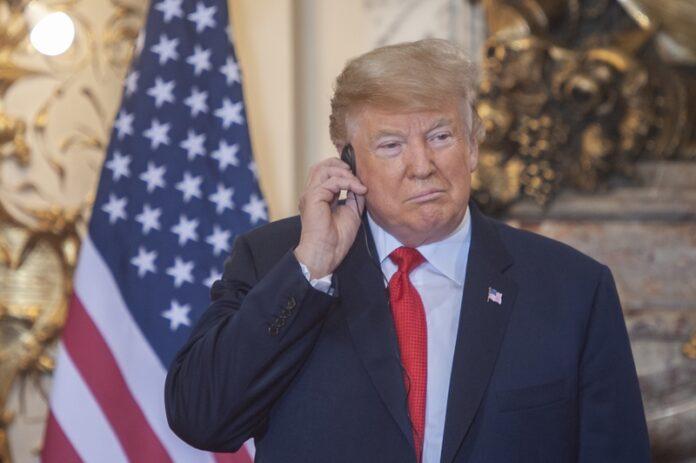
Two White House declarations issued by President Donald Trump on May 7, 2026, have reignited a debate about the boundaries of executive authority and the meaning of national recognition. One proclamation names May 8, 2026, as Victory Day for World War II, fulfilling a promise Trump first made a year earlier. The other designates the same date as Military Spouse Day.
The declarations carry symbolic weight but no statutory force. No federal statute underpins either observance, meaning government employees gained no additional day off and states have no obligation to participate. Under U.S. law, creating an official federal holiday requires congressional action — something that has not occurred. Critics argue the proclamations blur public understanding of what constitutes a genuine national holiday, while supporters maintain that presidential recognition holds value even absent legislation.
A Year-Old Promise Now on Paper
Trump initially floated the Victory Day concept in May 2025, sparking immediate pushback from historians and veterans organizations who questioned why the country would suddenly adopt an observance traditionally reserved for European nations. The United States has never celebrated V-E Day with the same formal recognition as Memorial Day or Veterans Day, both of which Congress enacted into law.
The Victory Day document, dated May 7, 2026, arrived as part of the administration’s broader Freedom 250 campaign tied to the nation’s 250th anniversary of independence. The text recounts the Allied defeat of Nazi Germany, detailing landmark battles including Normandy, the Battle of the Bulge, and campaigns across North Africa and western Europe. It notes that more than 250,000 Americans perished in the fight against Nazi aggression, and that Imperial Japan surrendered nearly four months after Germany’s capitulation on May 8, 1945.
Linking Wartime Sacrifice to the Semiquincentennial
Both declarations explicitly tie their themes to the 250th anniversary of American independence, a narrative that has dominated White House messaging throughout 2026. The World War II proclamation promises that U.S. Armed Forces will remain the world’s most powerful, equipped to defend American sovereignty against any adversary. Each document concludes with ceremonial language noting issuance during the 250th year of the nation’s founding.
That framing reflects the administration’s effort to weave historic milestones into its current policy agenda, casting military strength and family support as twin pillars of national continuity.
Honoring Families Behind the Uniform
The second proclamation, also issued May 7, establishes May 8 as Military Spouse Day, an observance scheduled for the Friday before Mother’s Day in line with customary timing. The document emphasizes the sacrifices made by husbands and wives of service members, describing a life marked by frequent relocations, extended deployments and prolonged family separations.
The text credits military spouses with sustaining the home front and enabling troops to carry out their missions. It labels their role “noble but demanding” and acknowledges persistent obstacles including employment barriers, substandard housing, expensive childcare, and difficulties accessing healthcare and education.
Trump pointed to policies from his earlier term designed to ease those burdens: expanded federal hiring pathways for military spouses, flexible and remote work arrangements, and improved professional licensure portability across state lines — a chronic problem for families who move repeatedly and lose credentials with each transfer.
“Today, the First Lady and I join a grateful Nation in saluting these patriots and heroes,” Trump said in the Military Spouse Day proclamation.
The declaration honoring military spouses frames the tribute as a joint message from the president and First Lady Melania Trump, who receives prominent mention throughout the document.
Symbolism Without Statute
The central controversy remains the legal nature of a presidential proclamation. American presidents routinely issue such declarations for occasions ranging from National Dairy Month to Loyalty Day, but none confer the status of a federal holiday unless Congress passes enabling legislation. Memorial Day, Independence Day and Veterans Day all rest on statutory foundations; Trump’s Victory Day observance does not.
Supporters of the proclamations argue recognition itself carries meaning and that lawmakers retain the power to formalize the observance whenever they choose. Detractors maintain the announcements mislead the public by suggesting presidential fiat alone can establish a national holiday, a power the Constitution reserves to the legislative branch.
That tension over executive reach has defined the conversation since Trump first proposed the idea last year. The formal signing this week revived the same questions and drew renewed objections from groups who had hoped the concept would fade. Whether either commemoration endures beyond this administration now depends on whether Congress acts — something that, so far, it has not done.